
SPICE KNOWLEDGE
Practical guides to Chinese spices
Learn how to choose, use, store and order each form without unnecessary jargon.
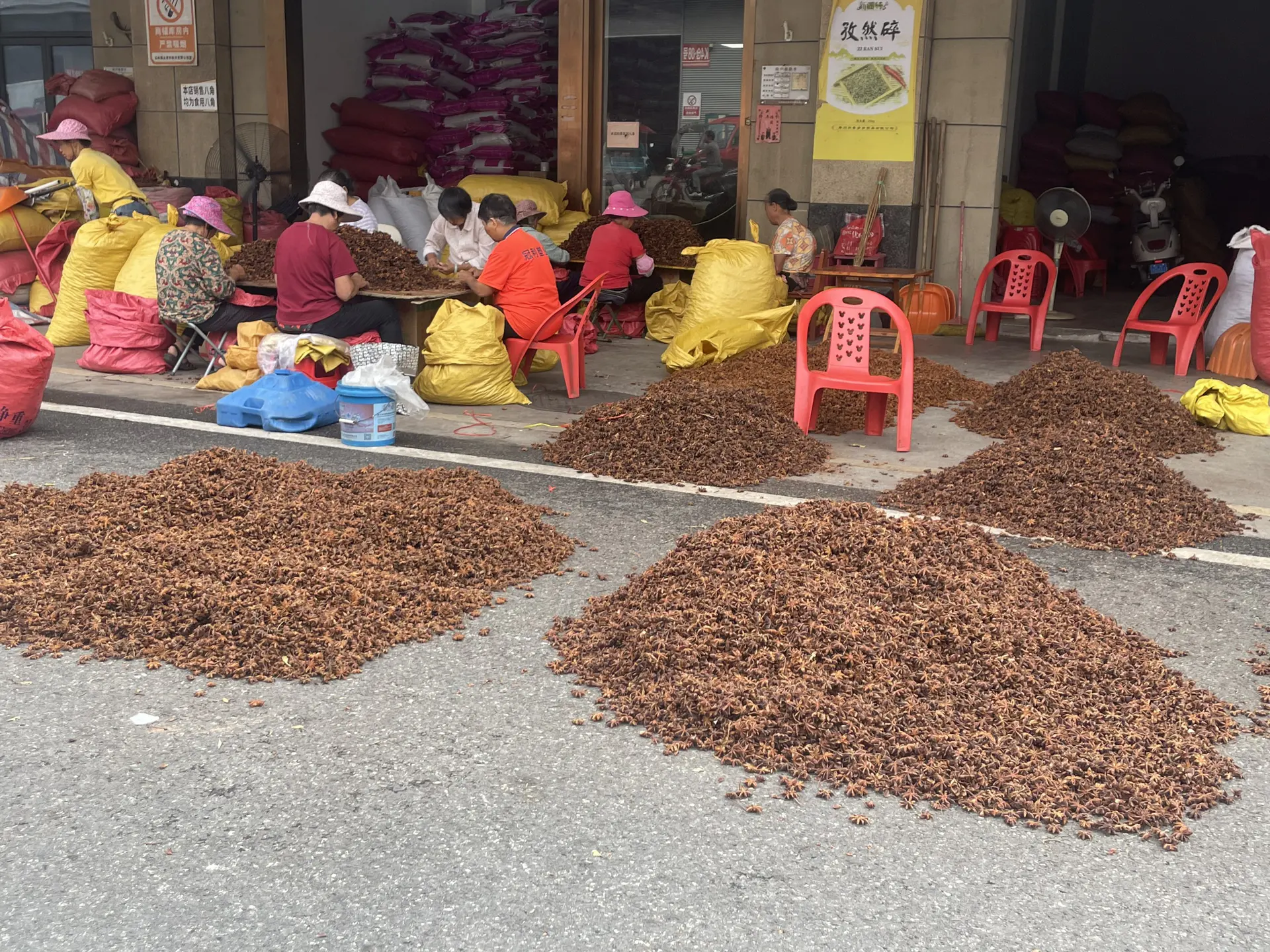
Spring vs Autumn Star Anise
When Guangxi and Vietnam pick spring and autumn star anise, how the two crops differ in the hand and on the nose, and which one fits your use.
Read guide ↗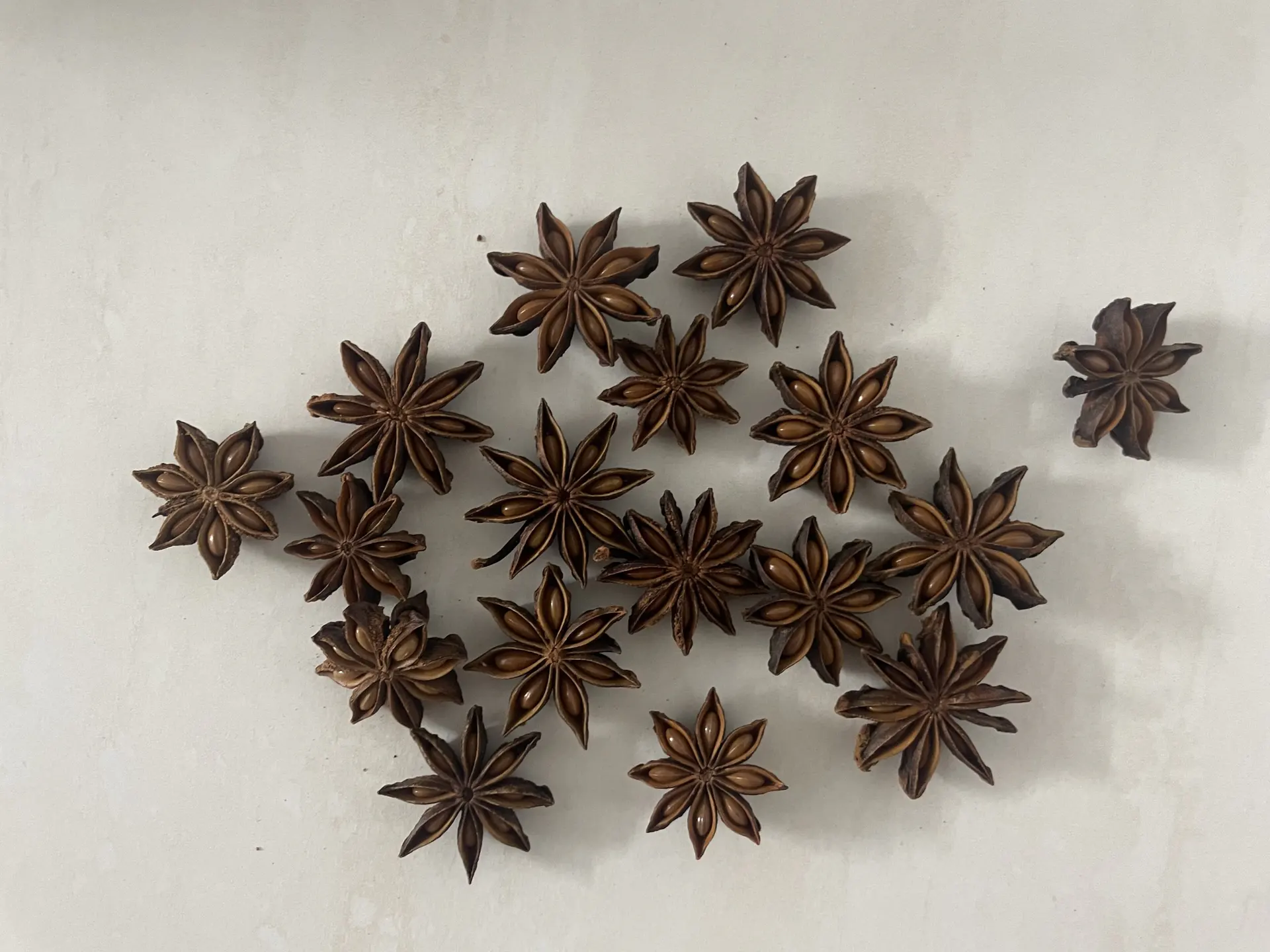
Choosing a Star Anise Form
Whole or broken star anise: what grade 1 means in Yulin and in China's grading, where broken star anise comes from, and four checks you can do on a sample.
Read guide ↗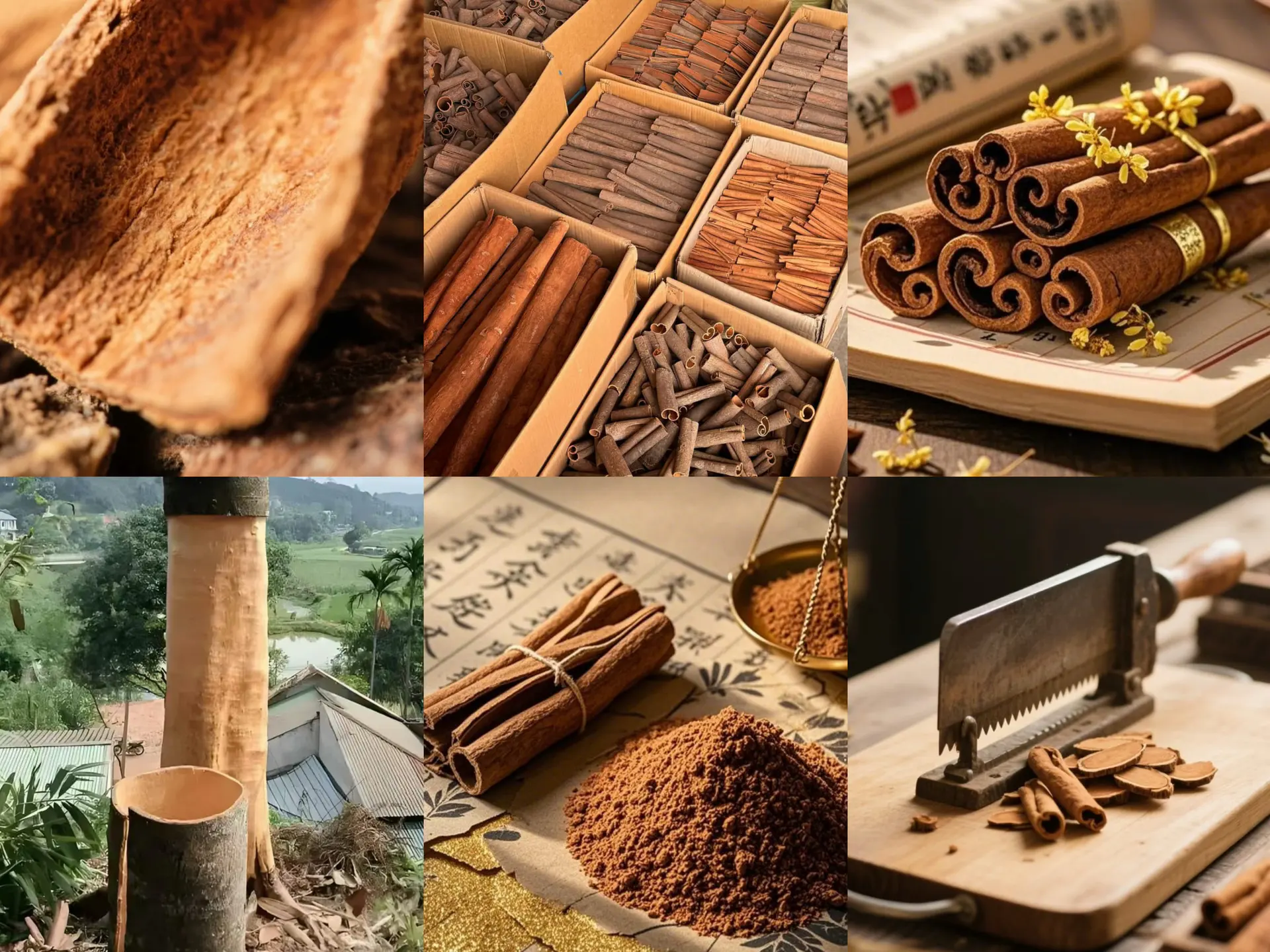
Choosing a Cassia Form
Compare cassia bark, rolls, sticks, pieces and powder by dimensions, preparation and intended use.
Read guide ↗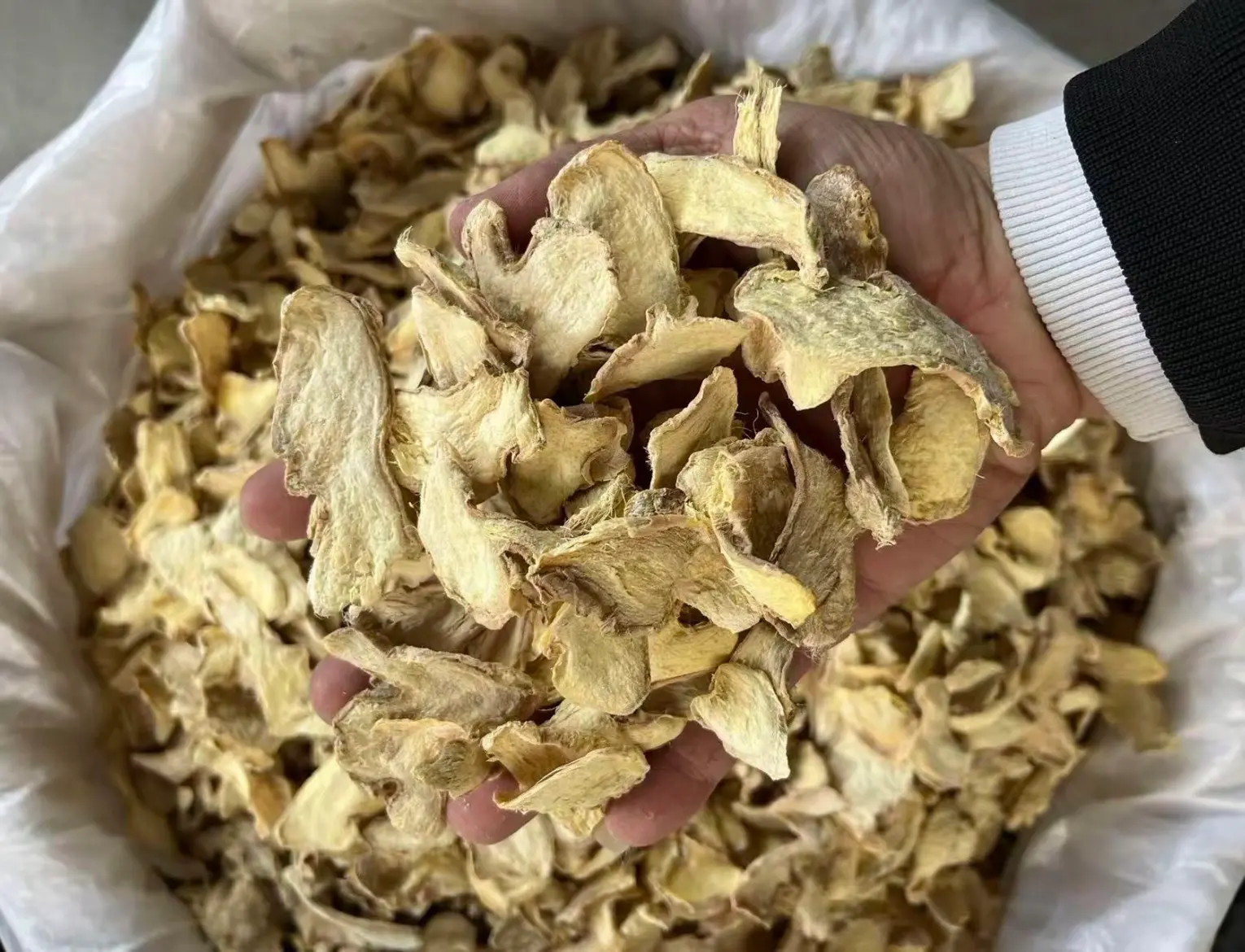
Specifying Dried Ginger Slices
How Yunnan and Shandong ginger slices differ, when new-crop ginger arrives, which thickness and drying route to choose, and how to spot damp or sulphured slices.
Read guide ↗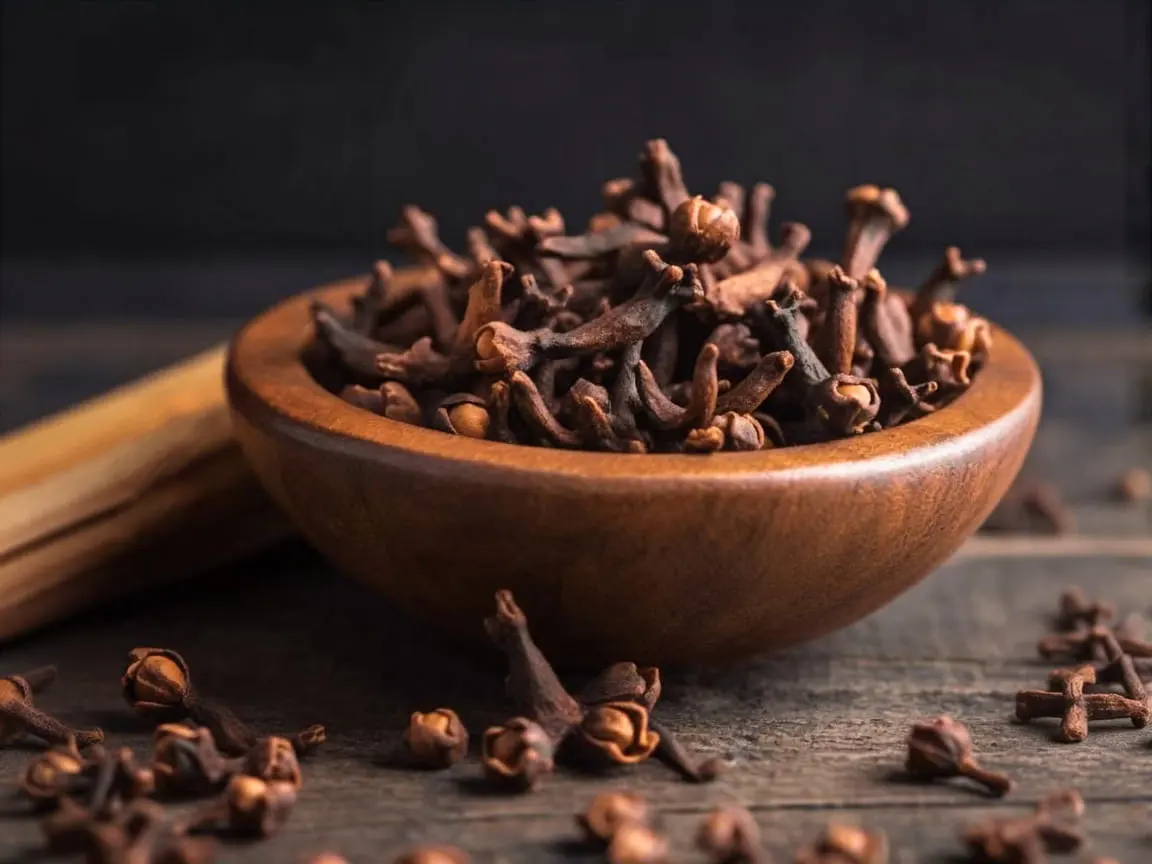
Recognising Good Cloves
How to judge whole cloves by size, oil, colour and smell, how Madagascar and Indonesian cloves differ, when they are harvested, and when buying through Yulin makes sense.
Read guide ↗
Understanding Spice COAs
Understand the roles of a specification, COA, laboratory report, sample record, inspection checklist and packing evidence.
Read guide ↗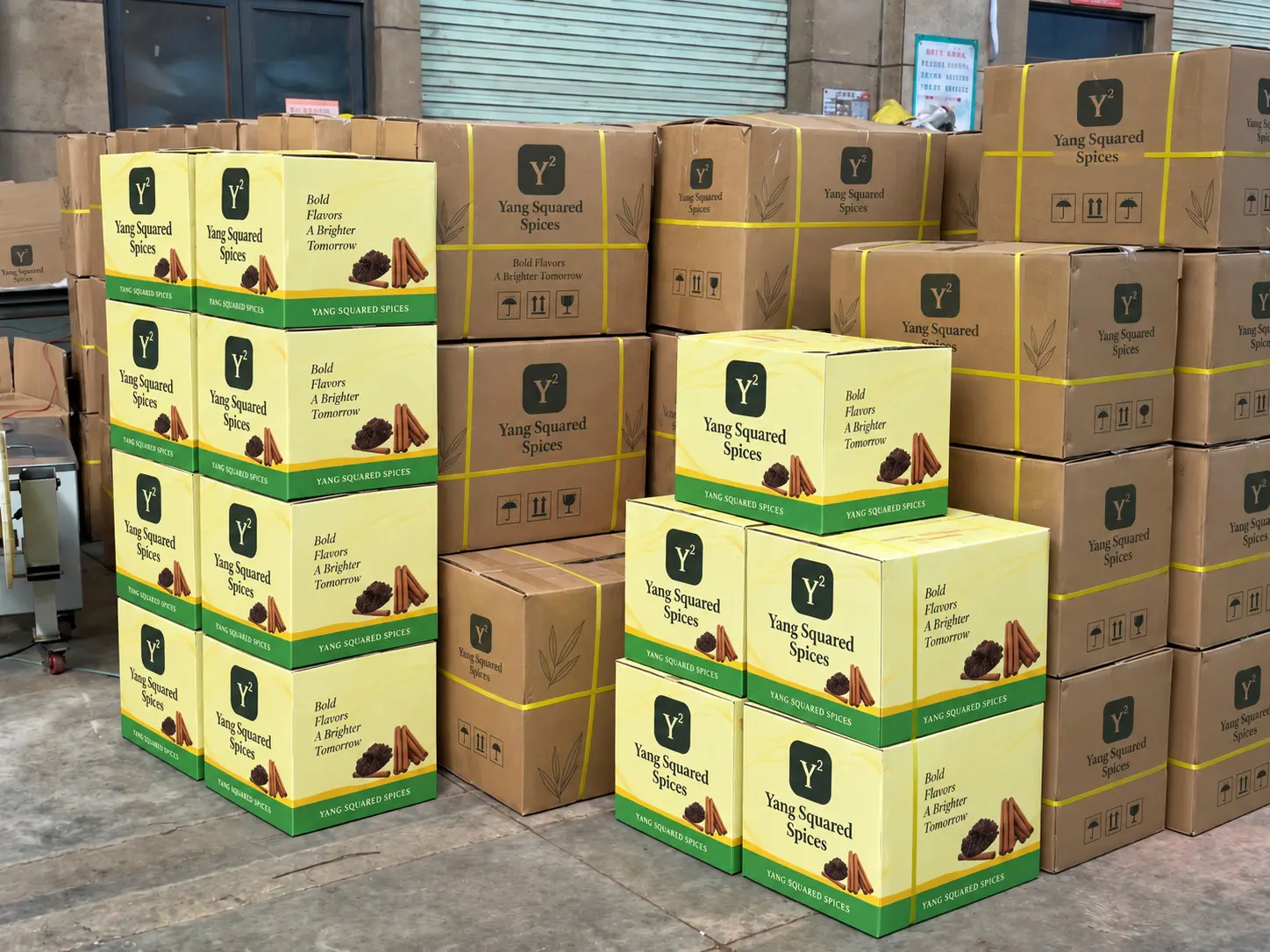
Spice Packing and Aroma
Understand how inner liners, cartons, bags, labels and storage conditions protect dried spices during transport and use.
Read guide ↗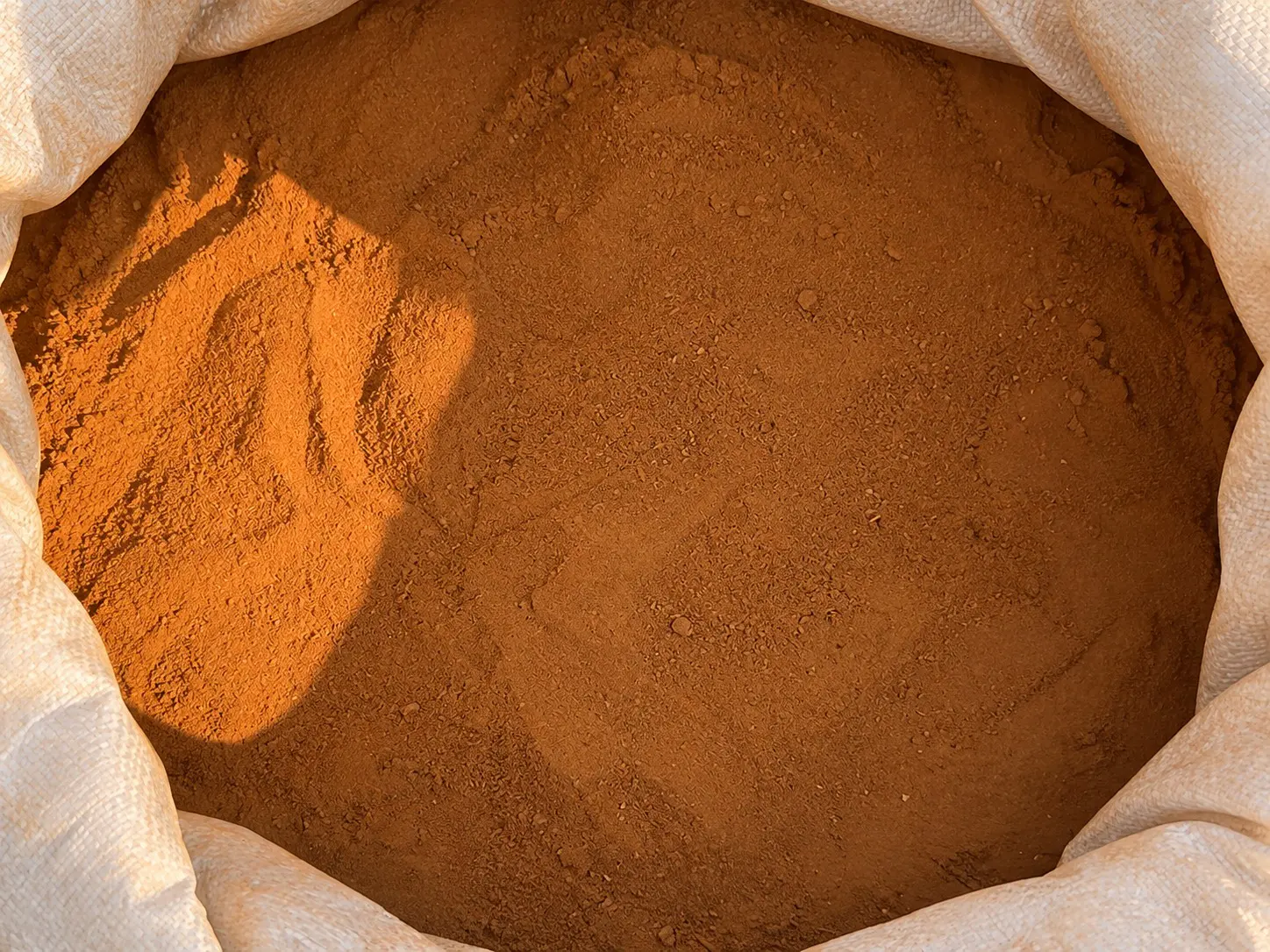
How to Use Ground Cassia in Food and Drinks
Practical ground cassia uses and starter recipes for coffee, hot chocolate, cakes, fruit, savoury cooking and mulled wine.
Read guide ↗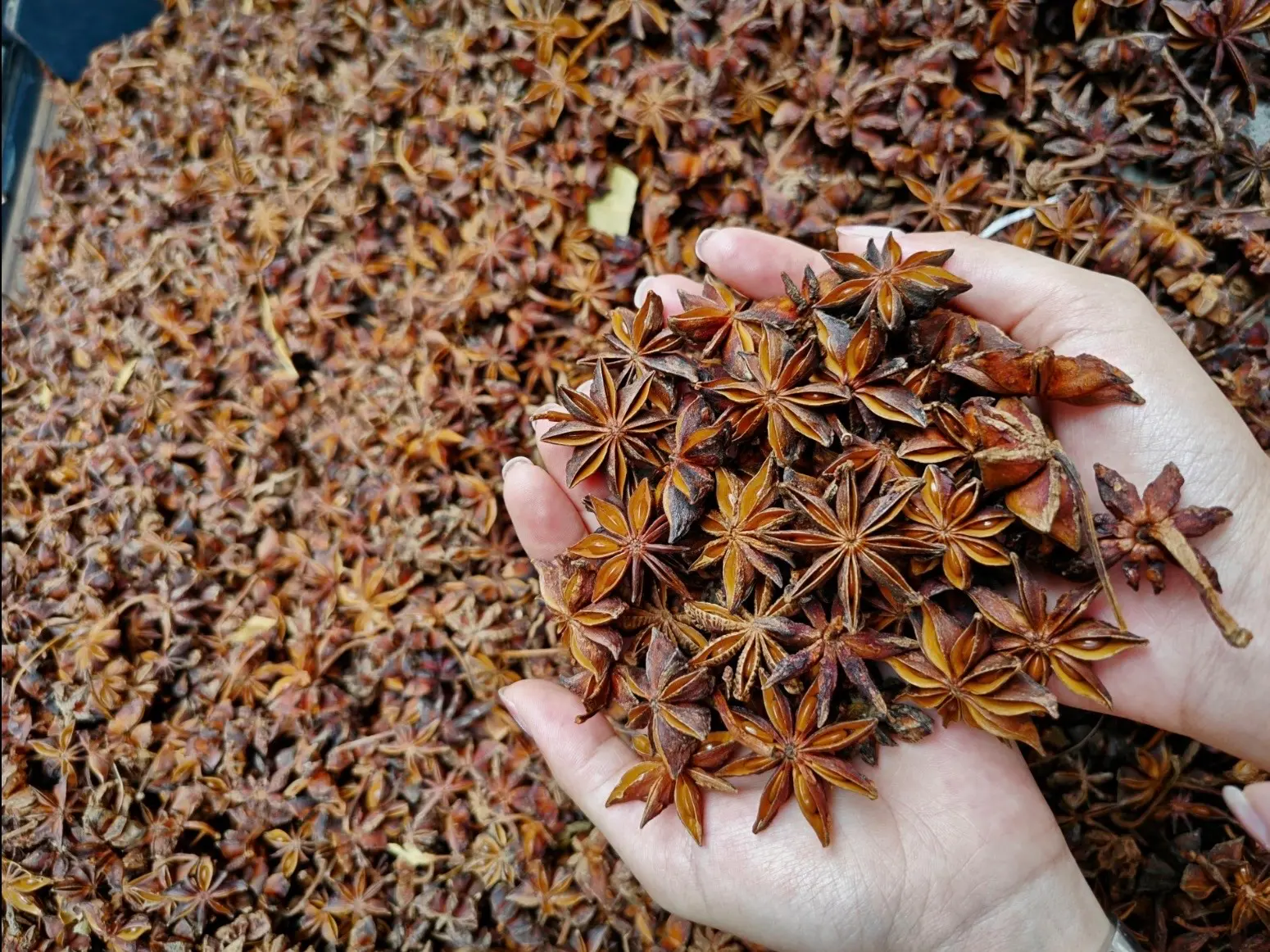
Star Anise for Broths, Desserts and Drinks
Practical star anise uses and starter recipes for broths, braises, poached fruit, mulled drinks, syrups and professional beverage development.
Read guide ↗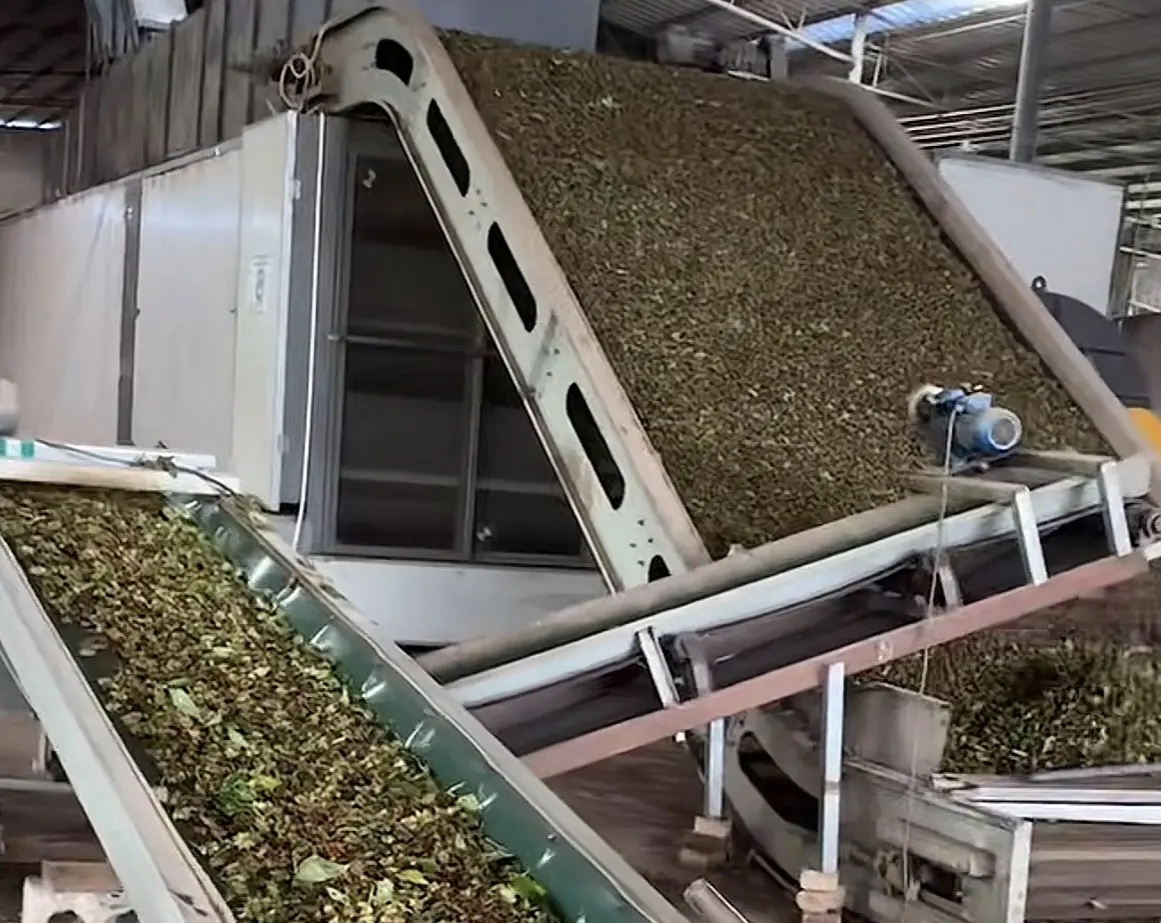
Star Anise Seasonal Calendar & Prices
A month-by-month harvest calendar for Guangxi and Vietnamese star anise, how a kilo price is built, and dated Yulin market prices from 2024 to 2026.
Read guide ↗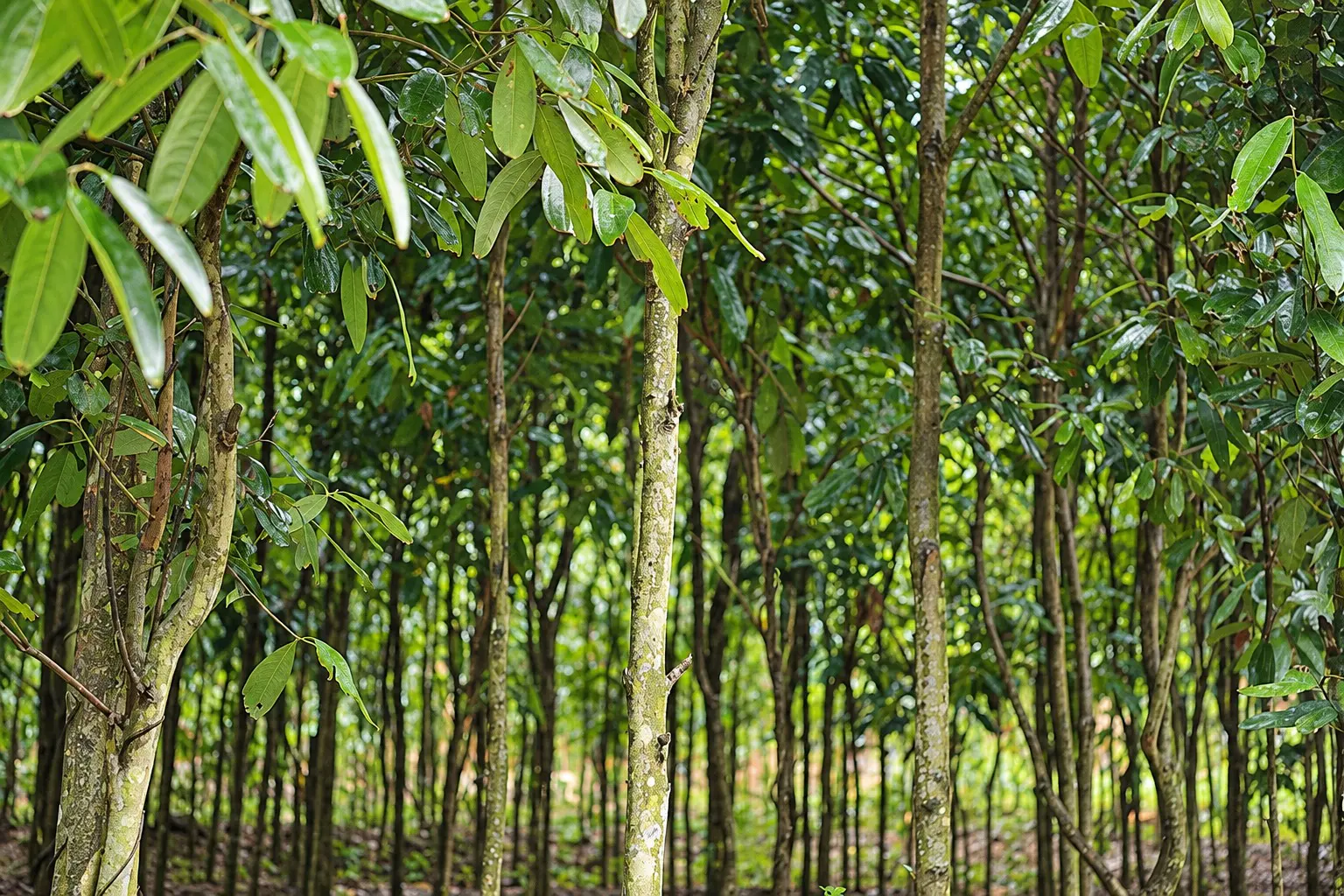
Cassia: Guangxi, Vietnam, Indonesia
How Guangxi, Vietnamese and Indonesian cassia differ in thickness, oil, taste, harvest season and price, and the quick checks our graders use in Yulin.
Read guide ↗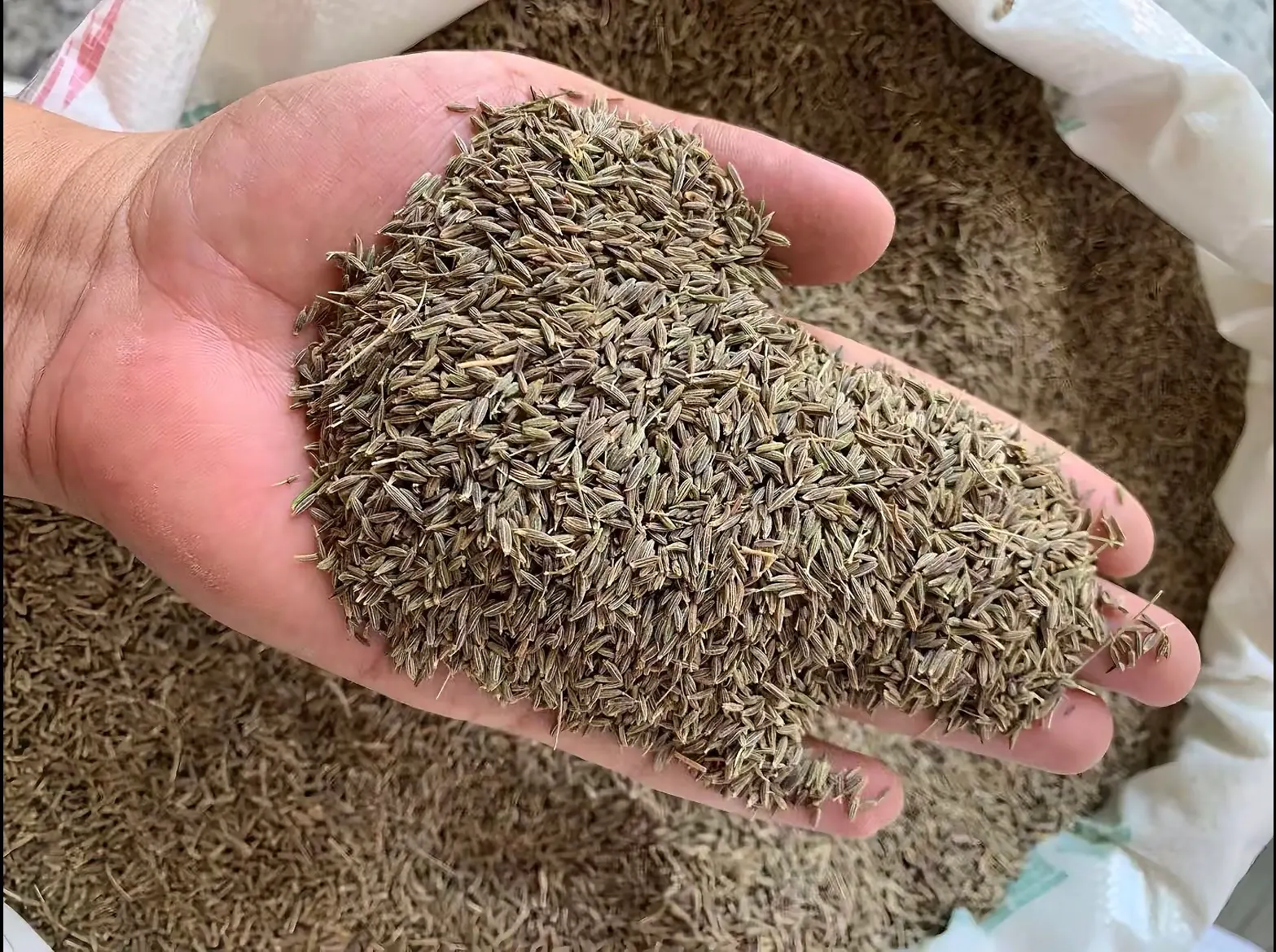
Cumin Origins and Grades
How Xinjiang, Gansu, Indian, Turkish and Iranian cumin differ in seed, aroma, harvest and price, what the grades mean, and quick checks on a sample.
Read guide ↗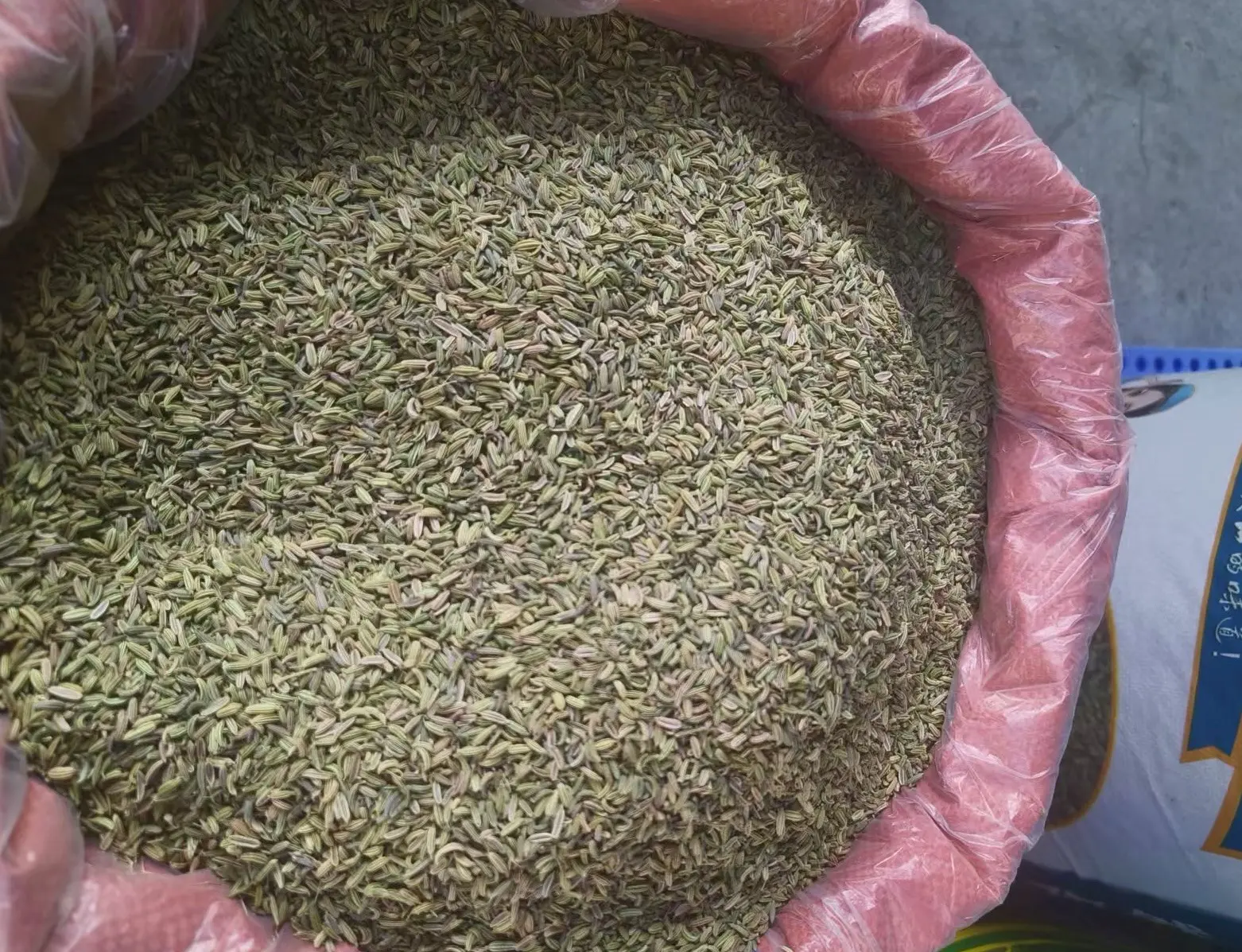
Star Anise, Fennel and Aniseed
How star anise, fennel and aniseed differ, what the Chinese and French trade names mean, where fennel comes from, and how pastis uses anise.
Read guide ↗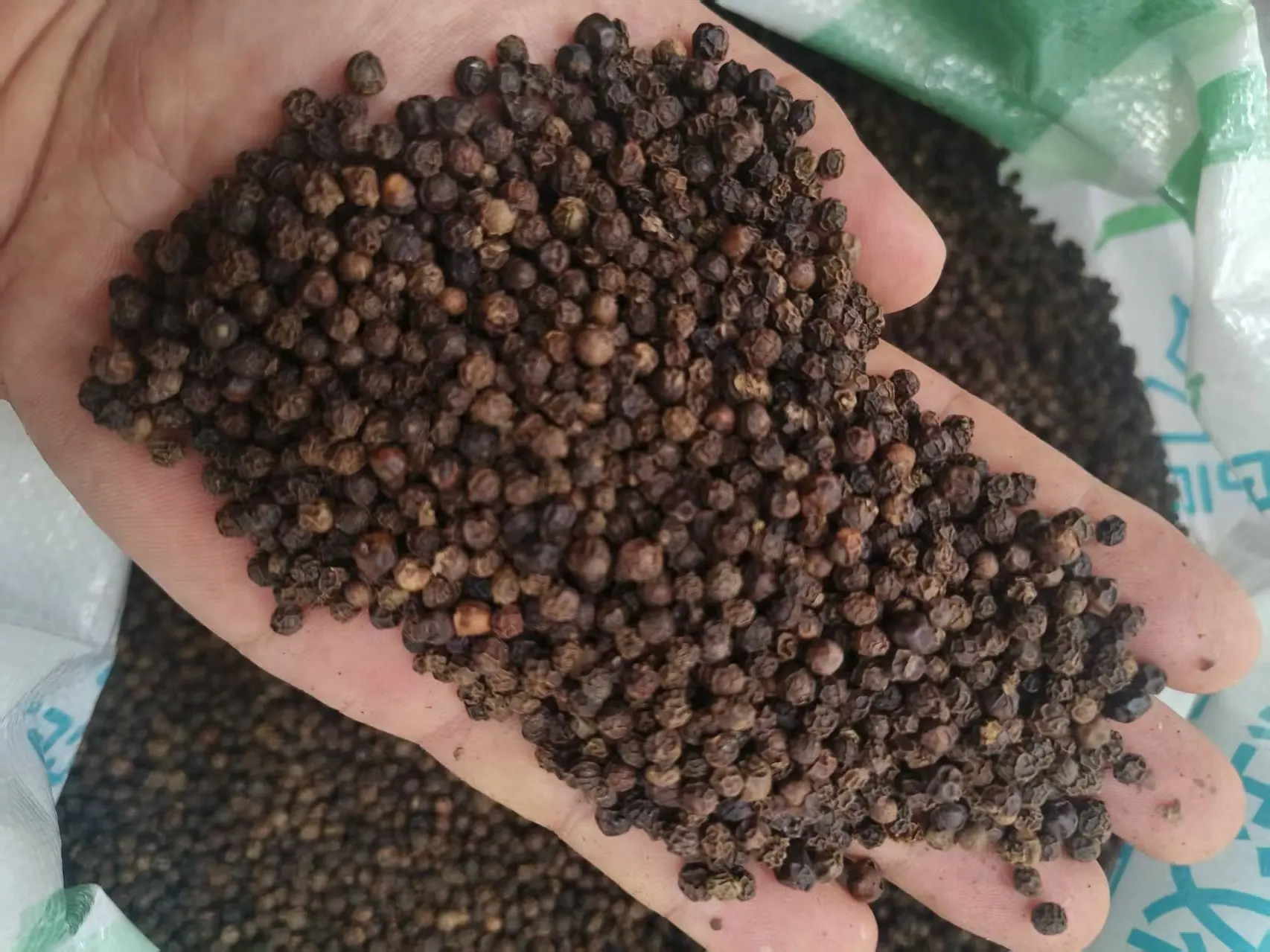
Black Pepper Origins and Grades
How Hainan, Vietnamese and Indonesian black pepper differ in taste, density, harvest and price, what 500 and 550 g/L mean, and quick checks on a sample.
Read guide ↗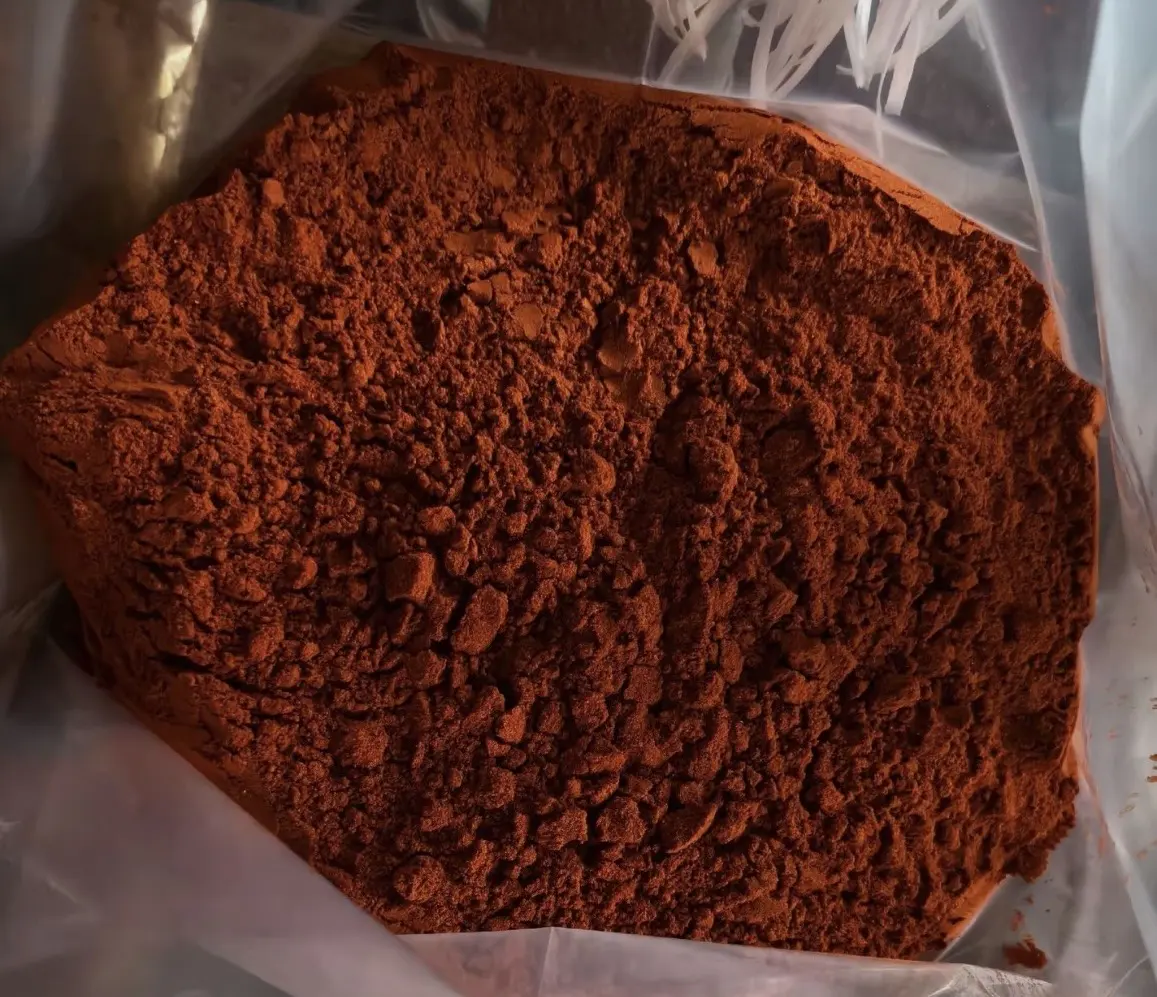
Paprika ASTA Grades
How paprika is graded by ASTA, heat and mesh, which Chinese peppers make which grade, how milling and storage cost colour, and what paprika sells for in Yulin.
Read guide ↗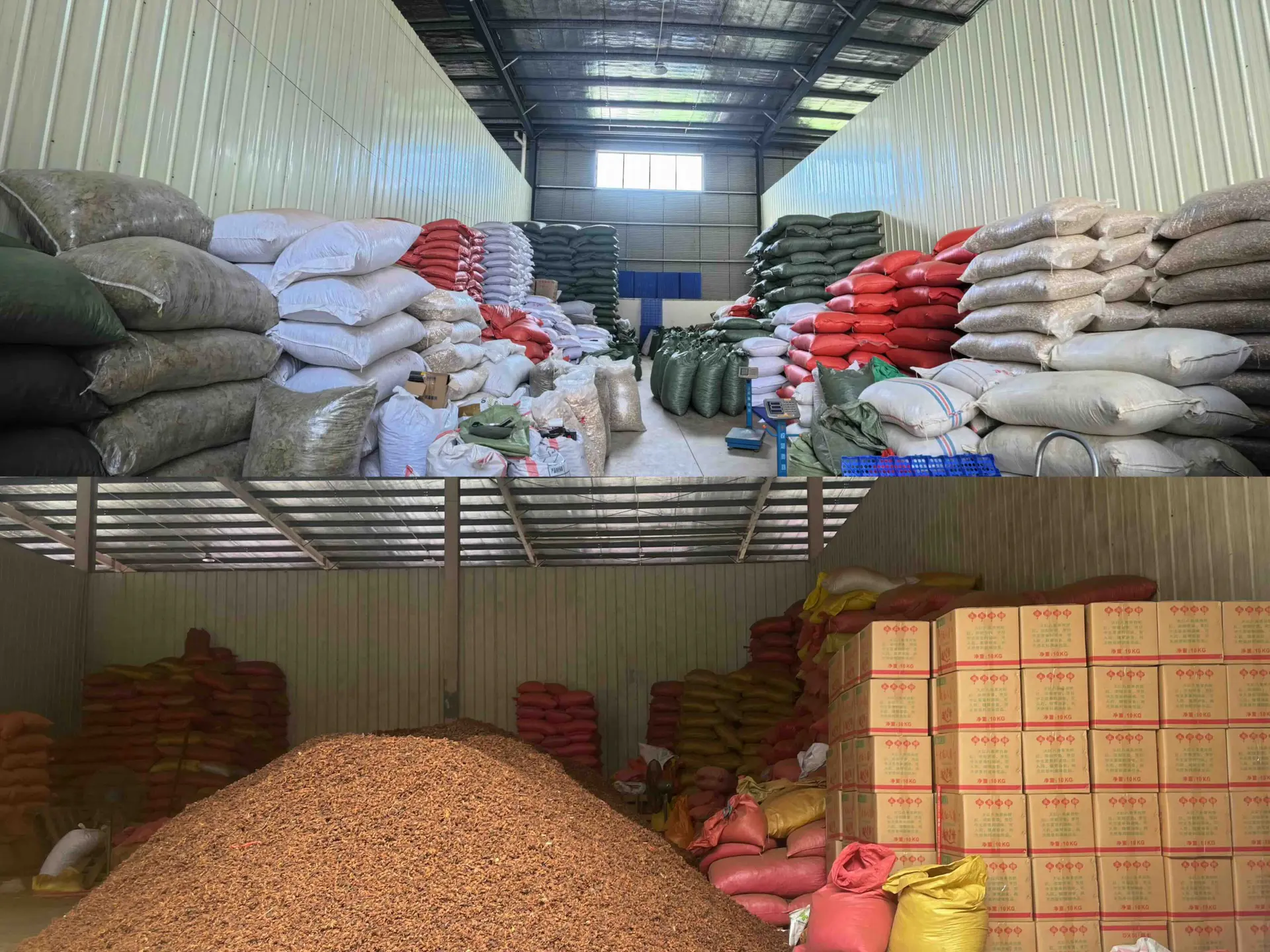
Mixed Containers from Yulin
When a mixed container from Yulin beats buying at origin, what can go in it, how the true origin of every line is kept, and what we check before loading.
Read guide ↗ Codex & EU Compliance
Plan spice pesticide, mycotoxin and shipment evidence checks using current Codex and EU sources without treating them as interchangeable.
Read guide ↗YOUR PROJECT