
PAPRIKA GUIDE

Paprika Powder: ASTA Grades, Raw Material and Colour Loss

ASTA measures red colour and sets the grade: about 180–220 for premium, fully deseeded powder, 140–180 for grade 1, 100–140 for grade 2 and 60–100 for feed and industrial colour. The pepper decides the ceiling; milling heat and storage decide how much colour reaches you. Each extra 20 ASTA points typically adds 15–25% to the price.

By Fu Yang Updated

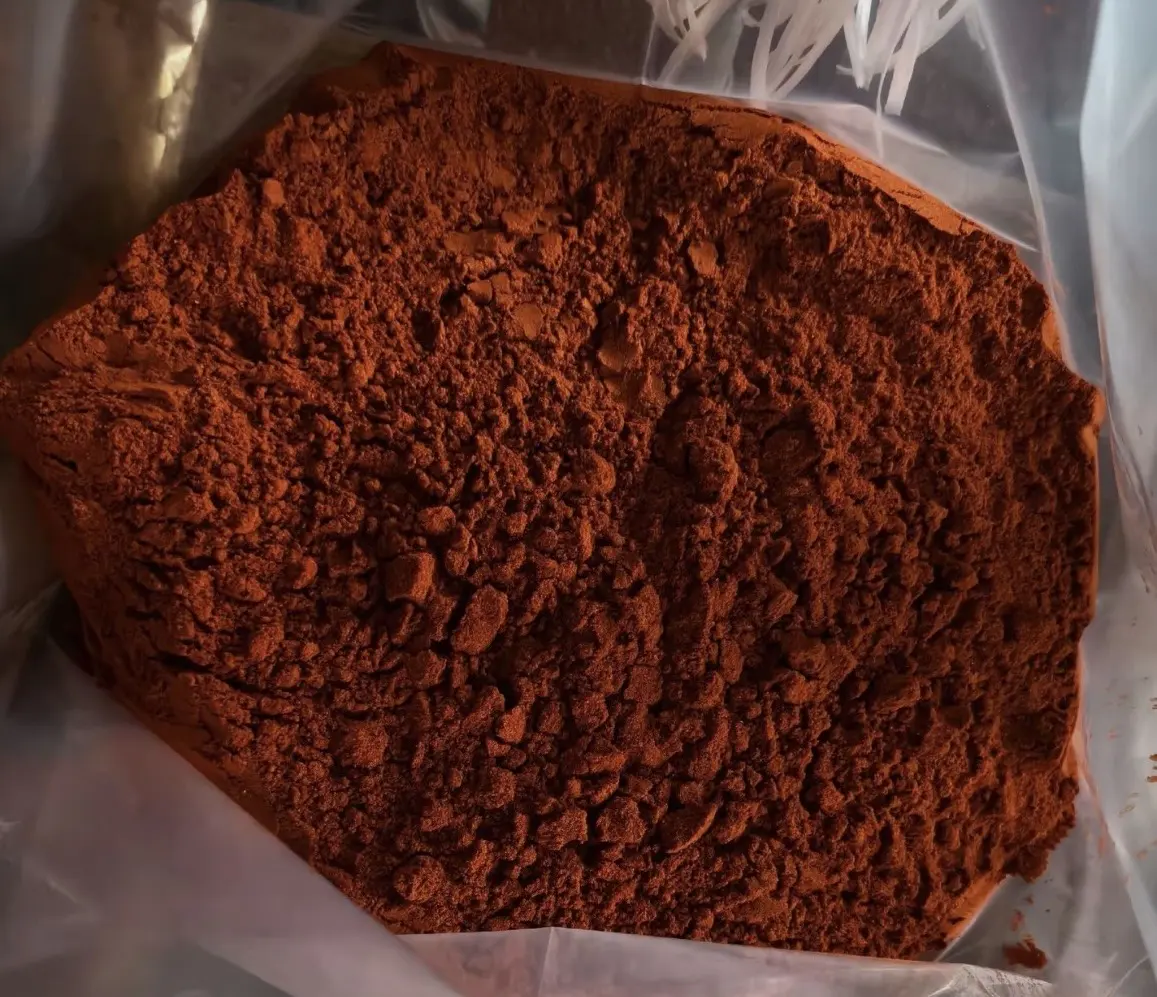
Paprika powder

PRACTICAL TIPS

Paprika grades at a glance

Paprika grades at a glance
GradeSpecificationRaw material and use
SpecialASTA 180–220, 500 SHU or less, fully deseeded, 80–120 mesh.Deseeded Xinjiang Sweet Pepper King skin; premium food, export and natural colour.
Grade 1ASTA 140–180, 800 SHU or less, at least 90% deseeded, 80 mesh.Deseeded Qingzhou or Xinjiang Ban Jiao pepper.
Grade 2ASTA 100–140, 1,000 SHU or less, at least 70% deseeded, 60–80 mesh.Shouguang or Inner Mongolia bulk pepper.
BulkASTA 60–100, 1,500 SHU or less, seeded, 60 mesh.Low-colour pepper with seeds; feed and industrial colour.

The pepper sets the ceiling

Paprika is ground sweet pepper, bought for its red colour and mild flavour, not for heat. In Xinjiang, strong sun and wide day–night temperature swings build pigment: the lantern-shaped Sweet Pepper King, 12–15 cm long, reaches ASTA 180–220 with under 1,000 SHU, and the flatter Ban Jiao 160–190. In Shandong, Qingzhou lantern pepper runs at ASTA 150–180 and Shouguang pepper at 140–170. Open-field pepper from Inner Mongolia and Gansu reaches 130–160.

Seeds dilute colour and add bitterness, so premium powder is fully deseeded; deseeded skin sells for 50% or more above seeded pepper. Milling yields about 90–93% from pure skin, 82–87% from stemless seeded pepper and 75–80% from stem-on bulk. Xinjiang sweet peppers arrive from mid-September to late October, and Shandong's from October to mid-November.

Milling, sterilising and colour loss

Export paprika is sorted to remove mould, pale shells and stems, deseeded, crushed to 5–10 mm and then milled at 45 °C or below in a cooled mill. Milling above about 50 °C can cut ASTA by 10–20% and drive off aroma. The powder is sieved to a consistent mesh, losing 2–5%, then sterilised: a short steam treatment at 105–110 °C is common, with little effect on colour or flavour. Some buyers require irradiation and others forbid it.

Colour keeps falling after milling: about 5–10% with ordinary milling, 15–25% with hot milling, and another 10–20% after six months in store. Each lot should be tested for ASTA, moisture, microbiology and heat, and packed in light-proof foil or laminated bags.

Chinese, Spanish and Hungarian paprika

Xinjiang powder runs at ASTA 160–220, deep red, sweet and almost without heat, and is the most expensive Chinese origin. Shandong runs at 120–180 with consistent quality and the largest milling capacity. Henan and Hebei give orange-red, milder powder at 80–140, 30–50% cheaper than Xinjiang.

Spanish pimentón reaches ASTA 180–260, in sweet or oak-smoked styles with a more complex aroma, at two to three times the price of premium Xinjiang powder. Hungarian paprika runs at 160–240 in sweet, semi-hot and hot grades. Peru supplies 100–180 with low heat, and India low-to-mid colour at low prices. In our team's view, Xinjiang now reaches European colour levels at 60–70% of the European price; for smoke and aroma, Spain remains the reference.

Quick checks on a sample

ASTA and microbiology need instruments. These checks catch the rest, and a suspect lot goes to the laboratory.

Colour

Natural deep red. Orange, yellow or dull powder is low in colour; an unnaturally bright red is suspicious.

Smell

Sweet, fruity pepper. Stale, mouldy or burnt notes mean old stock or hot milling.

Taste

Very little heat and no bitterness. Strong heat suggests hot chilli in the mix.

Warm water

A spoonful should colour the water evenly and slowly, with little sediment. Fast, bright colour suggests dye; heavy sediment suggests filler.

Price index, September 2026

Yulin market prices as an index, with Xinjiang grade 1 (ASTA 160–180) = 100; not offers. Xinjiang grade 1 is about a third below its 2023 peak; Shandong grade 1 is about 15–20% above its 2024 level.

Xinjiang grade 1, ASTA 160–180

100

Xinjiang special, ASTA 180–200, 80 mesh, steam-treated

about 120

Shandong grade 1, ASTA 150–170

about 95

Shandong grade 2, ASTA 120–140, 60 mesh

about 70

Hungarian special, landed

about 3 times

Spanish smoked special, landed

about 4 times

QUICK CHECK

For a paprika enquiry

  • ASTA at delivery
  • Maximum SHU
  • Mesh and percentage passing
  • Deseeding
  • Sterilisation: steam, irradiation or none
  • Microbiology limits, light-proof packing, quantity and destination

Grades, origins and prices here come from our team's trading in Yulin and are dated. They are a guide; the ASTA and SHU in your contract are measured on your lot.

BUYER QUESTIONS

Frequently asked questions

Which ASTA should I buy?

Buy for the colour you need when the paprika is used, not when it arrives. Colour can fall 10–20% over six months in store, so if you need 160 ASTA in six months, 180 at delivery is the safer order.

Is Chinese paprika as good as Spanish?

For colour, premium Xinjiang powder is close to European levels at a much lower price. For a complex aroma or smoked styles, Spanish pimentón is the reference, at two to three times the price.

Why does some paprika look orange?

Low-colour pepper, seeds left in, hot milling or old stock. Each costs ASTA; the laboratory figure tells you how much.

What does SHU mean for paprika?

Scoville heat units measure pungency. Paprika is usually 500 SHU or less; hot chilli powder is a separate product bought for heat.