QUALITY CONTROL

Quality Control

Kun and Chuangui grade every lot at our Yulin desk on shape, colour and smell, then follow preparation with our suppliers and processing partners. Every export lot is laboratory tested before shipment, and each check is linked to the lot you agreed to buy.

Operation photographs and context

See origin and processing photographs alongside clearly labelled packing presentations. Lot-specific evidence remains linked to the relevant order.

Cassia: from origin to packing

These six views explain cassia cultivation, preparation and packing. Evidence for a buyer's specific product and lot is linked in that order's private record.

Chinese cassia cultivation

Origin photograph

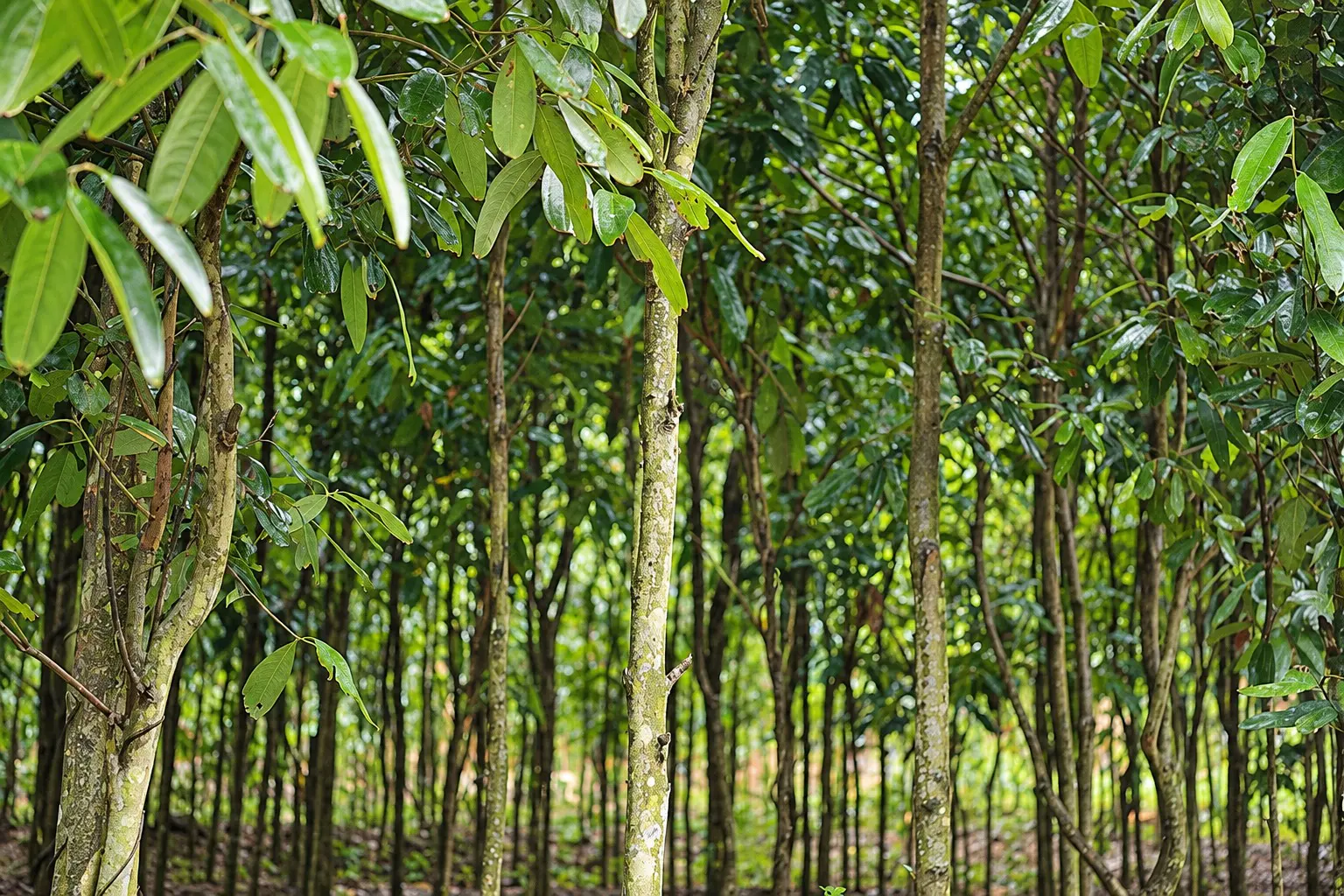
Cassia trees at origin

Cassia is grown as a tree crop in Guangxi; this photo shows the crop, not a specific farm or lot.
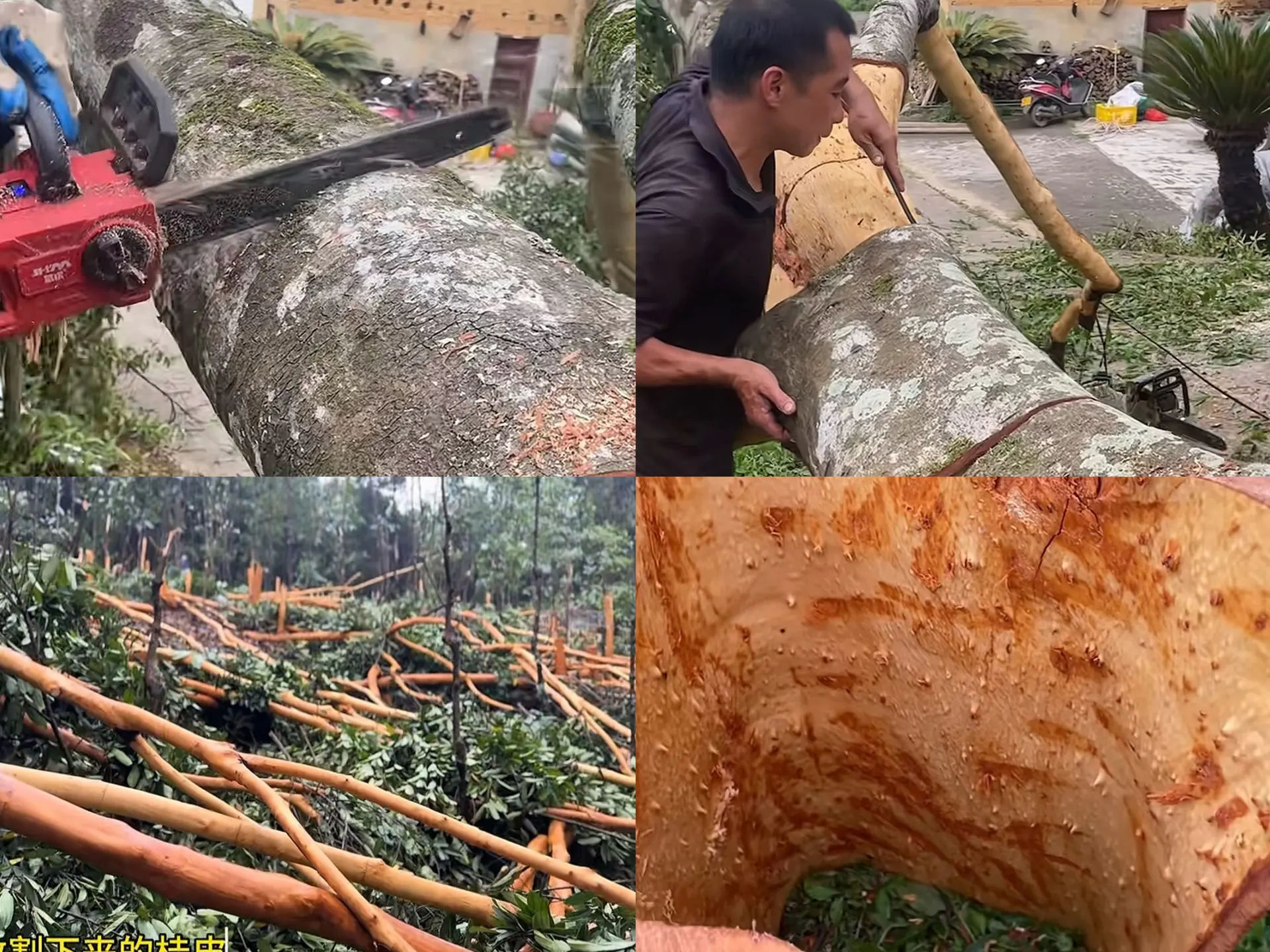
Cassia bark being cut and peeled from a felled tree trunk

Supplier origin photograph

Cassia bark removal at origin

Sequence showing bark removal during primary preparation. It documents the operation shown, not a lot certificate.
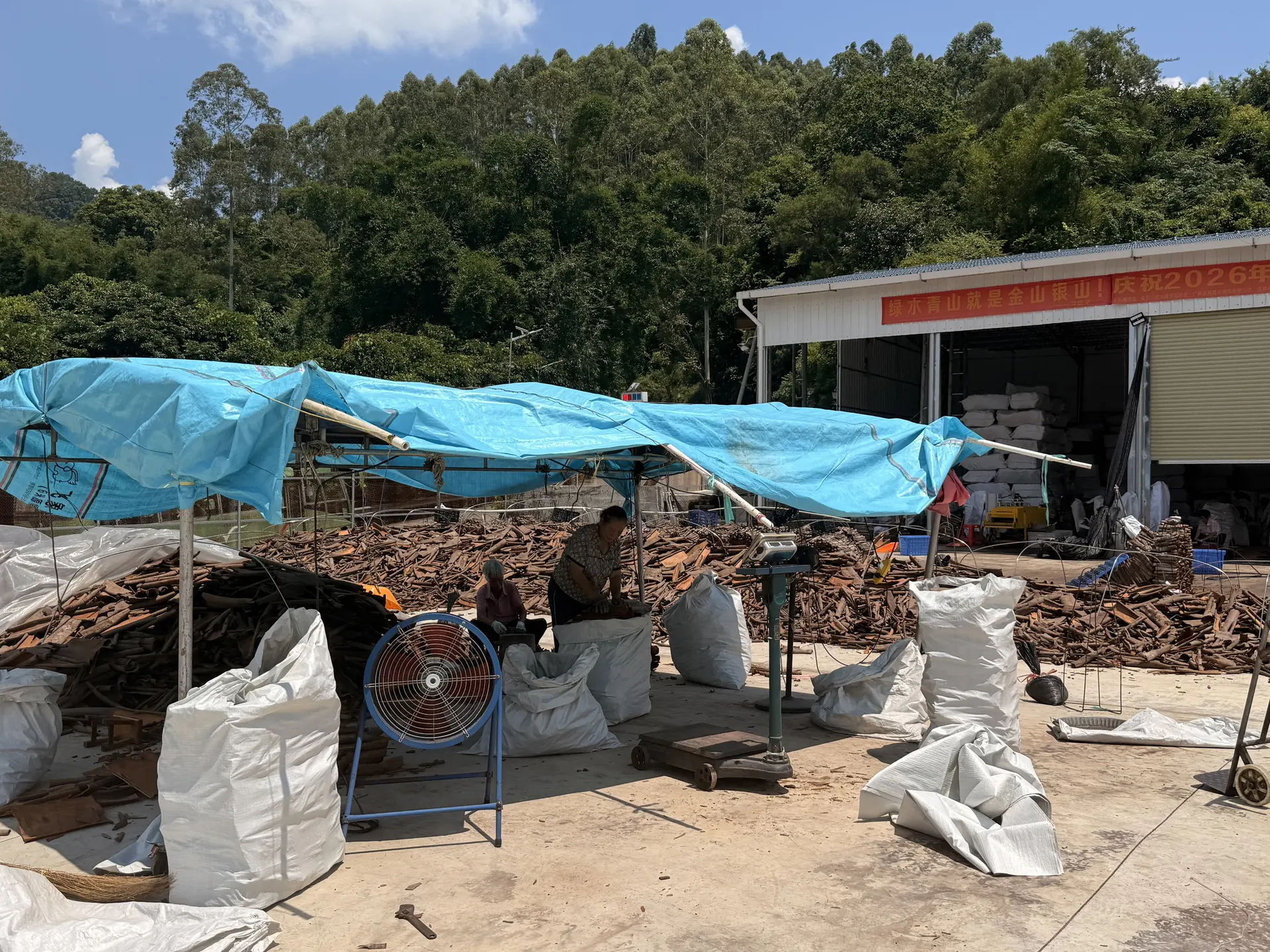
Cassia sorting, weighing and bagging

Supplier-site photograph

Cassia sorting, weighing and bagging

Cassia bark handled and bagged before further selection and export packing; final controls remain order-specific.
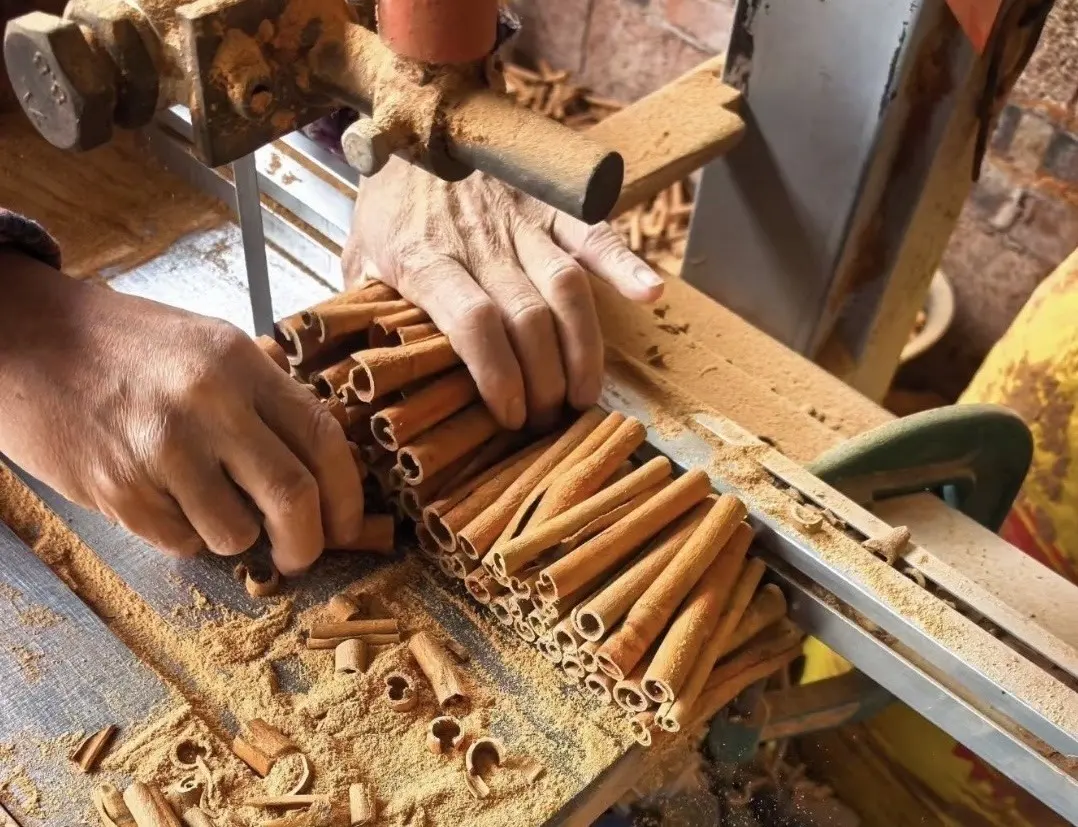
Worker cutting rolled cassia bark into sticks by hand

Processing photograph

Cutting cassia rolls to length

Cassia rolls are cut into shorter sticks; length and tolerance are agreed in the product specification.
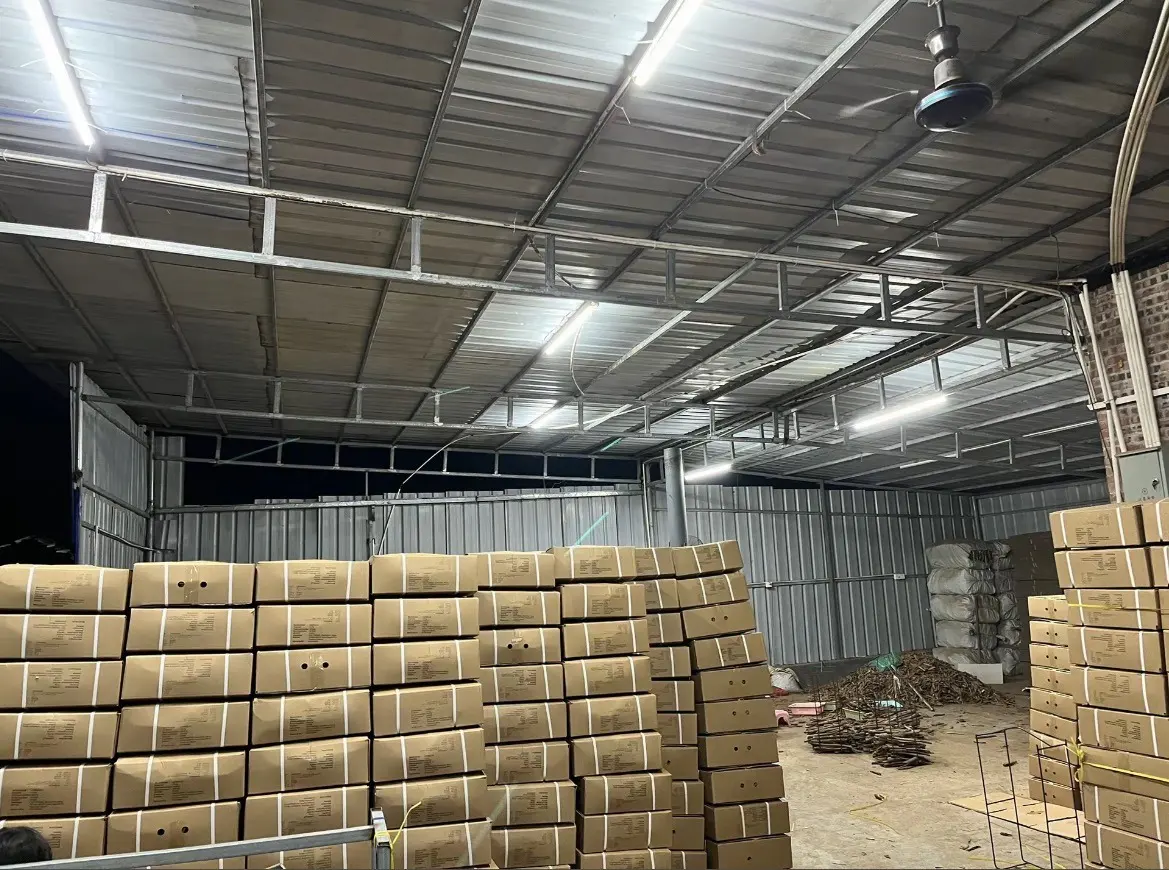
Plain cartons of cassia palletised under cover, ready for export packing

Packing photograph

Palletised export cartons

Cassia packed in cartons and palletised under cover before loading; carton marks and pallet format are agreed for each order.
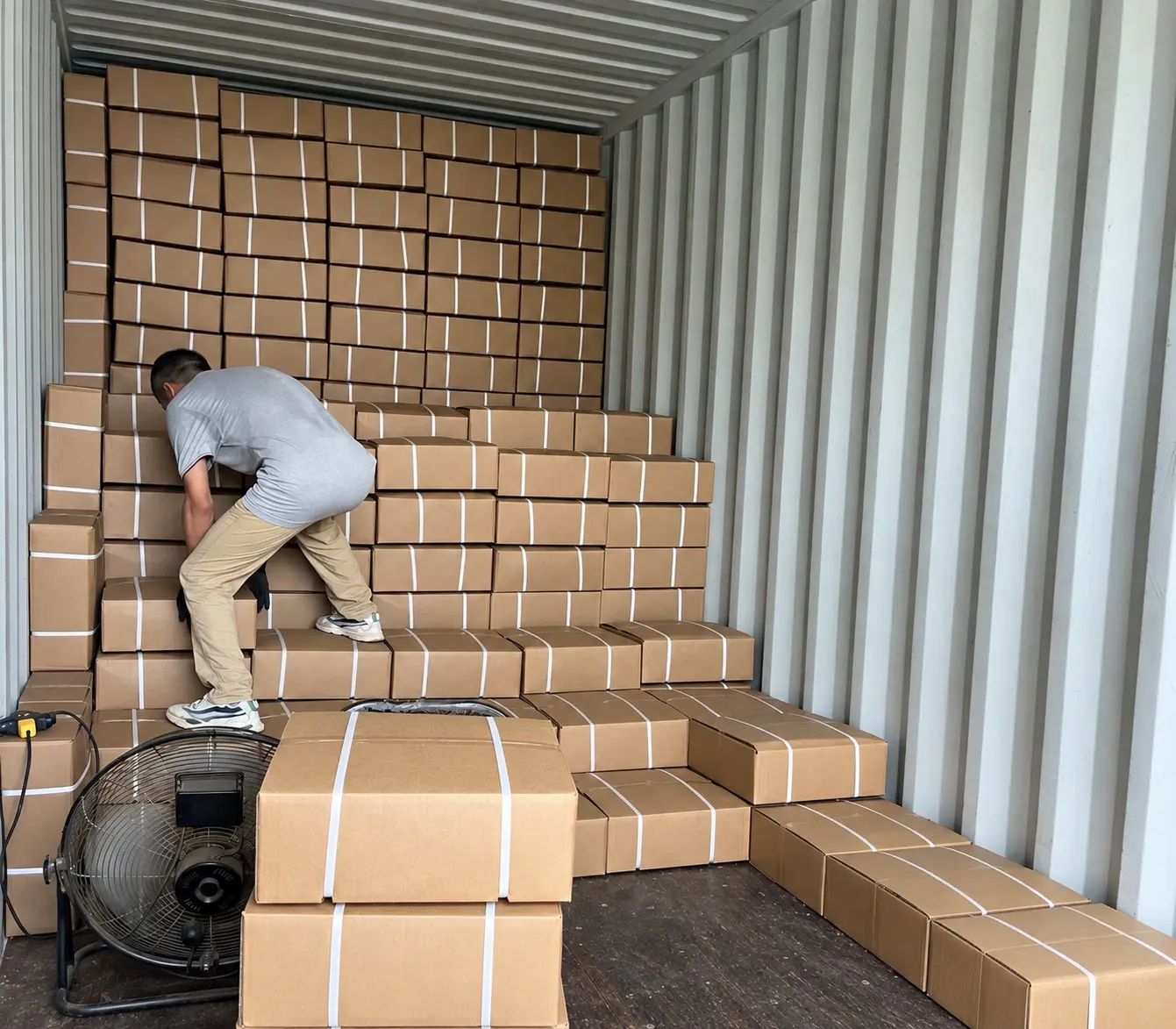
Worker loading cassia cartons into a shipping container

Loading photograph

Loading a container

Cartons are loaded into the container by hand; the loading record for your shipment is kept in your order file.
Practical guide: choose the right Cassia form ↗

Star anise: from selection to dispatch

Six compact views show the main handling stages. The accepted specification and records for a buyer’s actual lot remain part of that order.
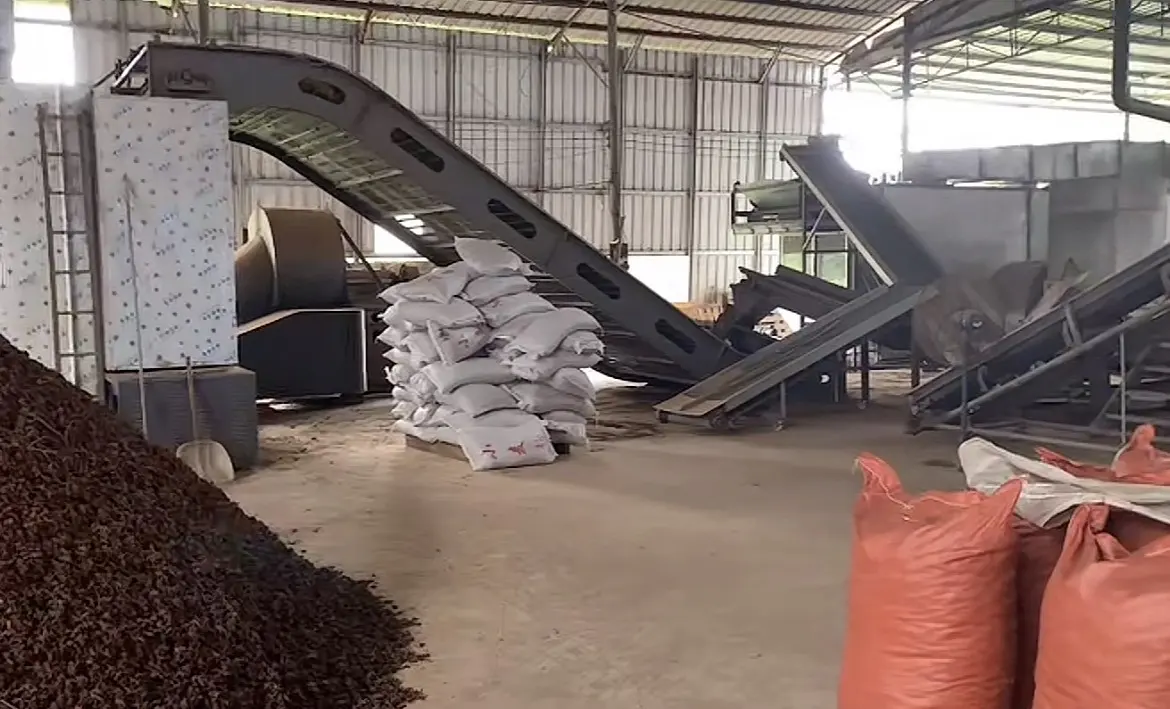
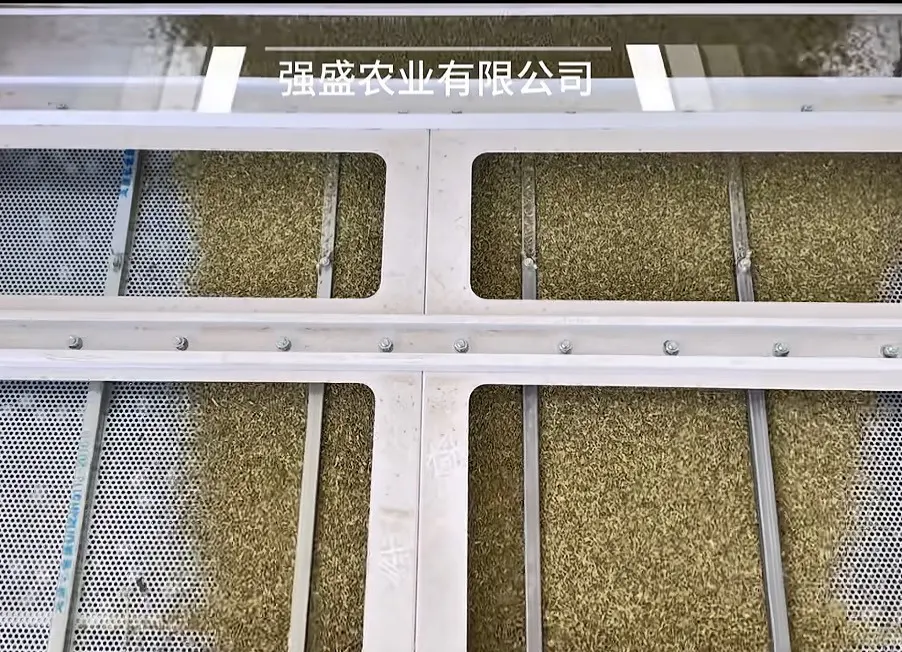
Vibrating screen separating raw star anise from stems and leaves

Screening

Machine screening of raw star anise

A vibrating screen separates stems, leaves and fines before the fruit is selected by hand.
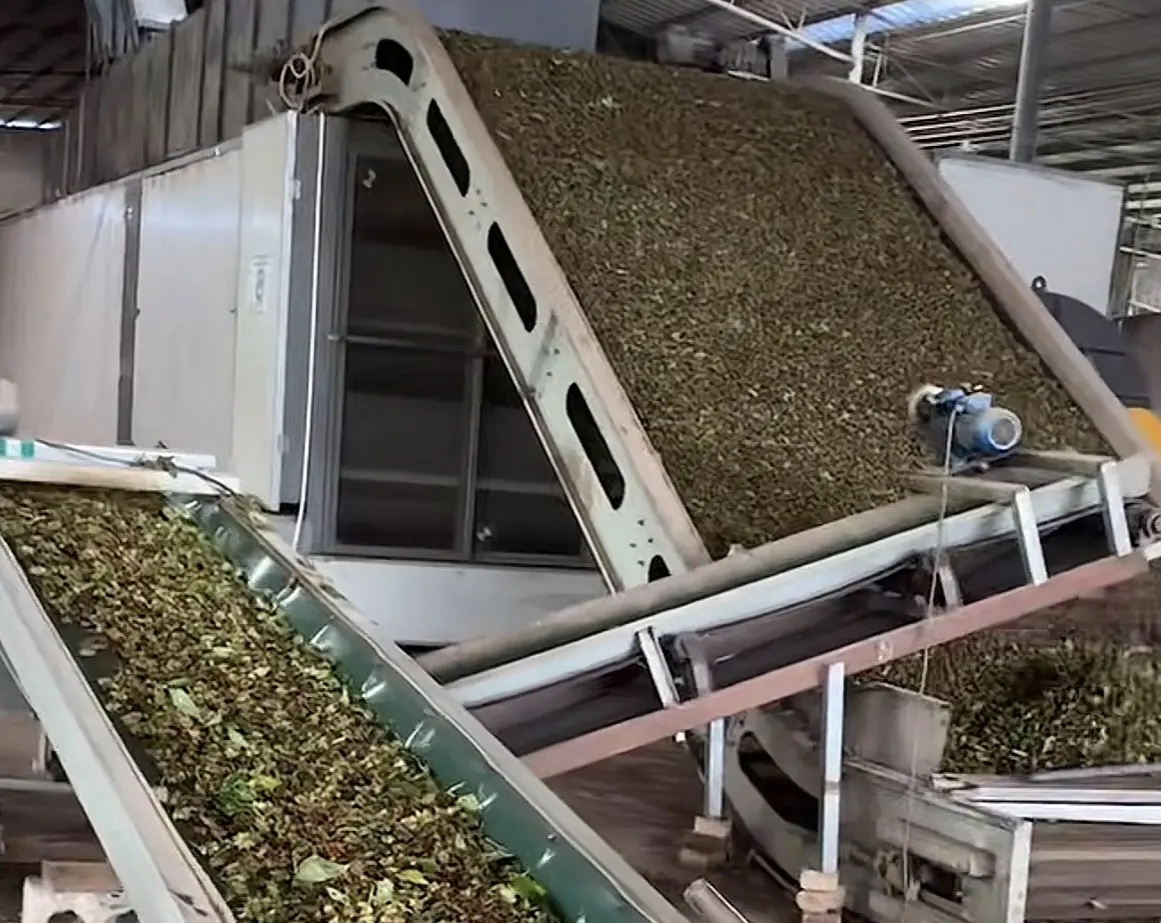
Star anise on a conveyor beside mechanical drying equipment

Drying

Machine drying

Star anise is dried mechanically after harvest; the moisture limit is confirmed in the order specification.
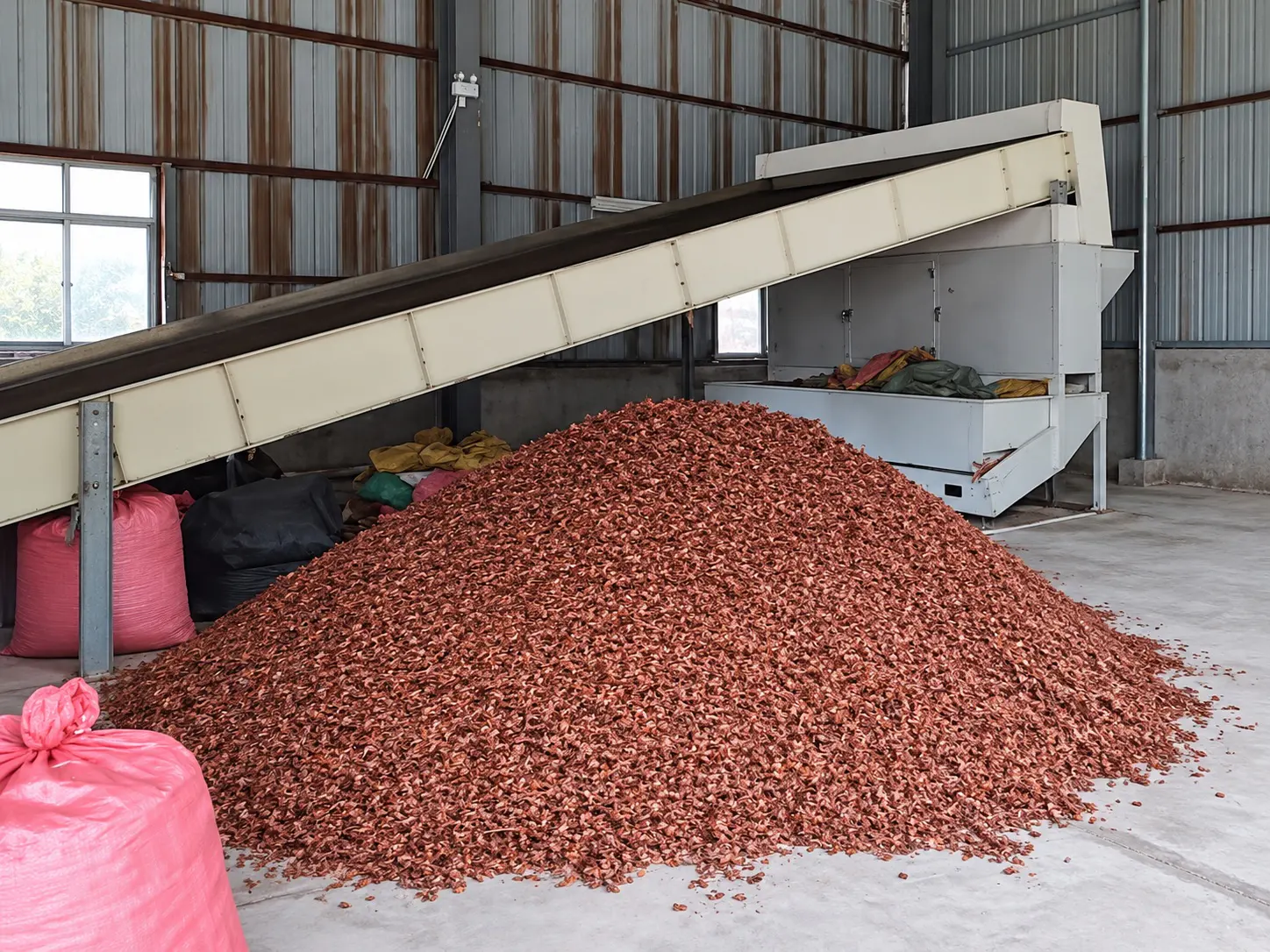
Large quantity of dried star anise beside processing equipment

Processing

Dry product at the processing site

Dried star anise is gathered for further selection, grading and packing.
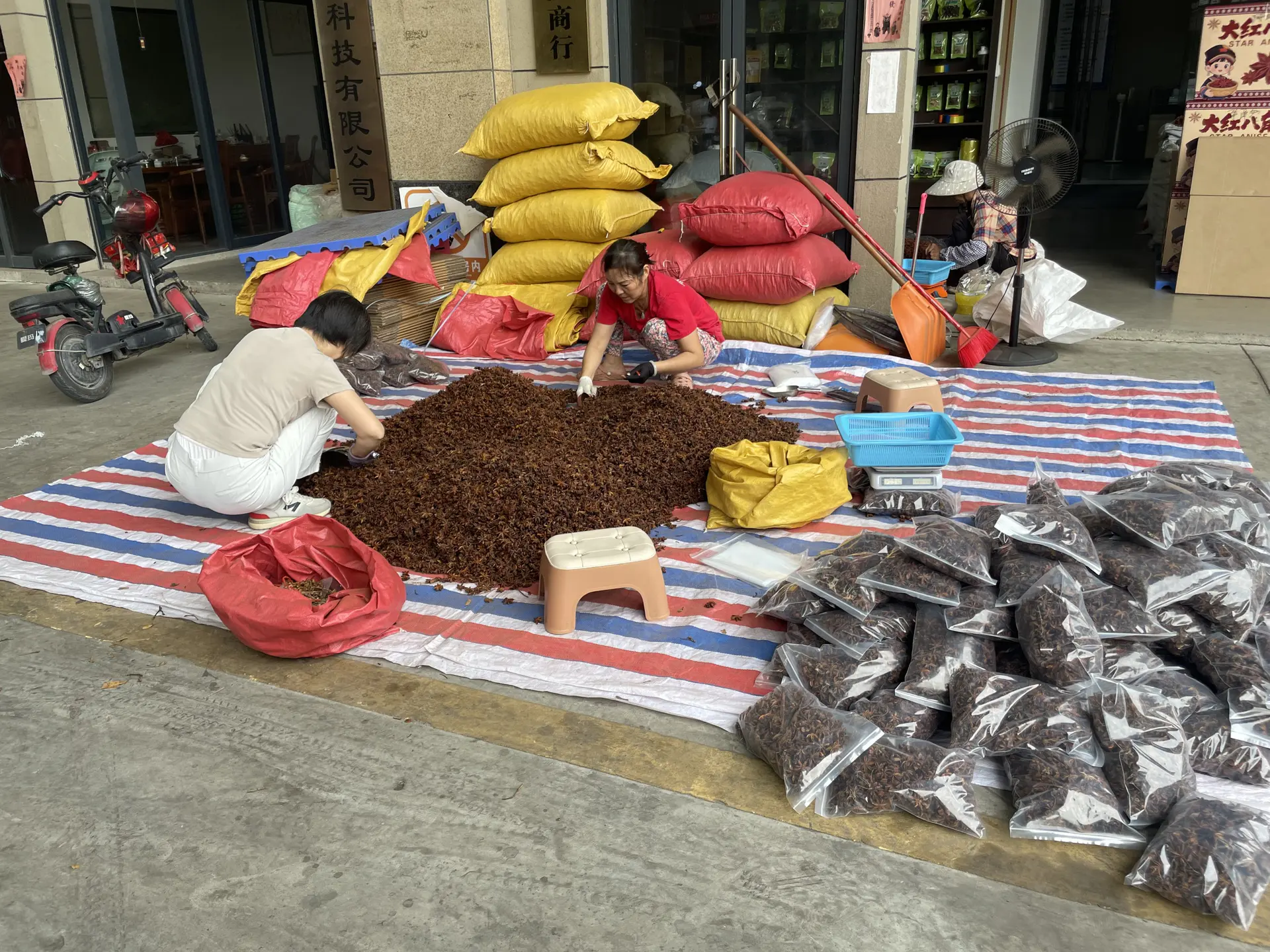
Workers hand-sorting star anise on a tarp for a second quality pass

Second selection

Hand selection for the agreed grade

A second pass by hand removes broken and off-colour pieces so the lot matches the grade agreed with the buyer.
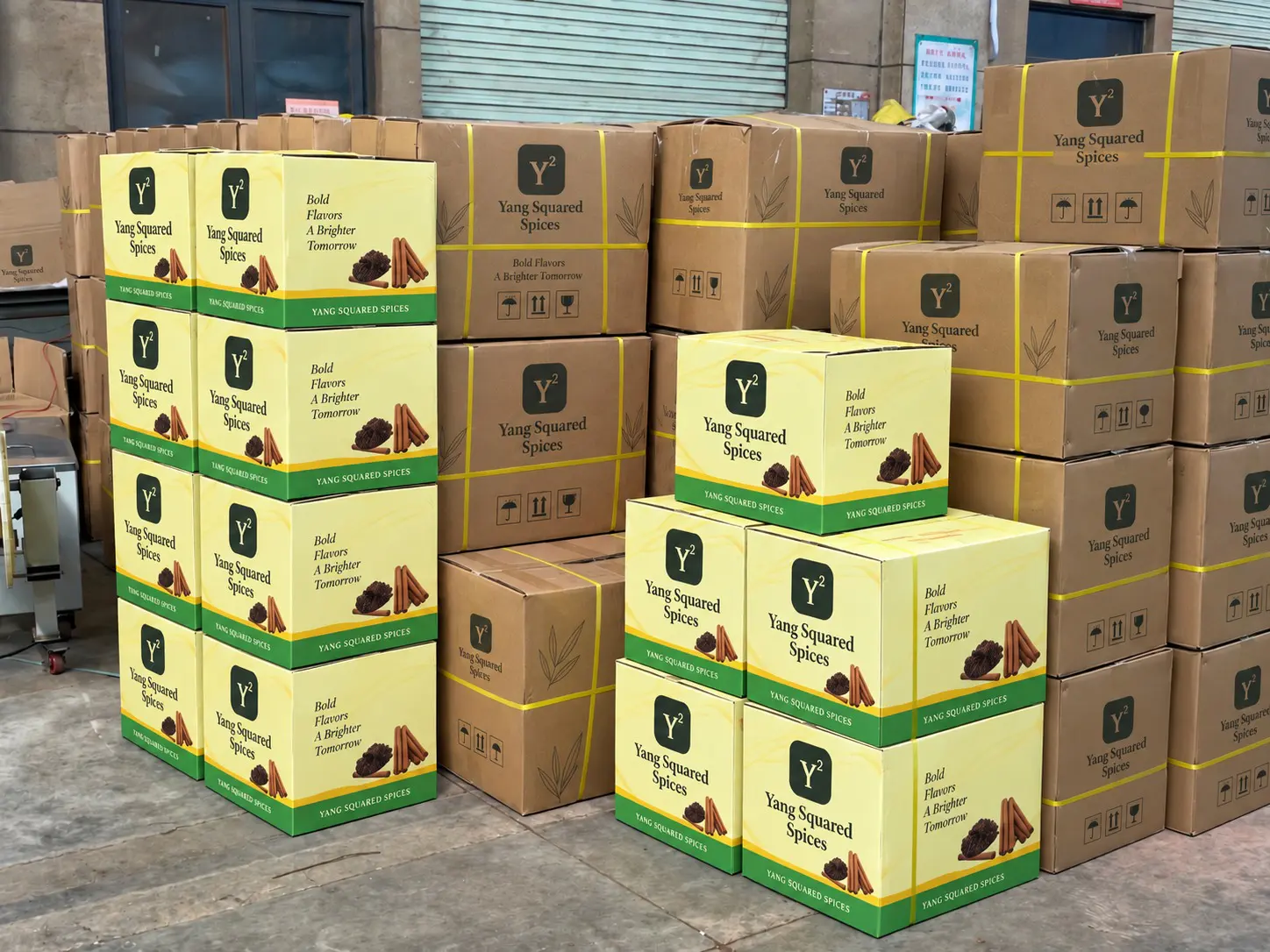
Stacked Yang Squared Spices cartons prepared for packing

Packing

Packed in Yang Squared Spices cartons

Selected star anise is packed in our cartons to the agreed format before final checks.
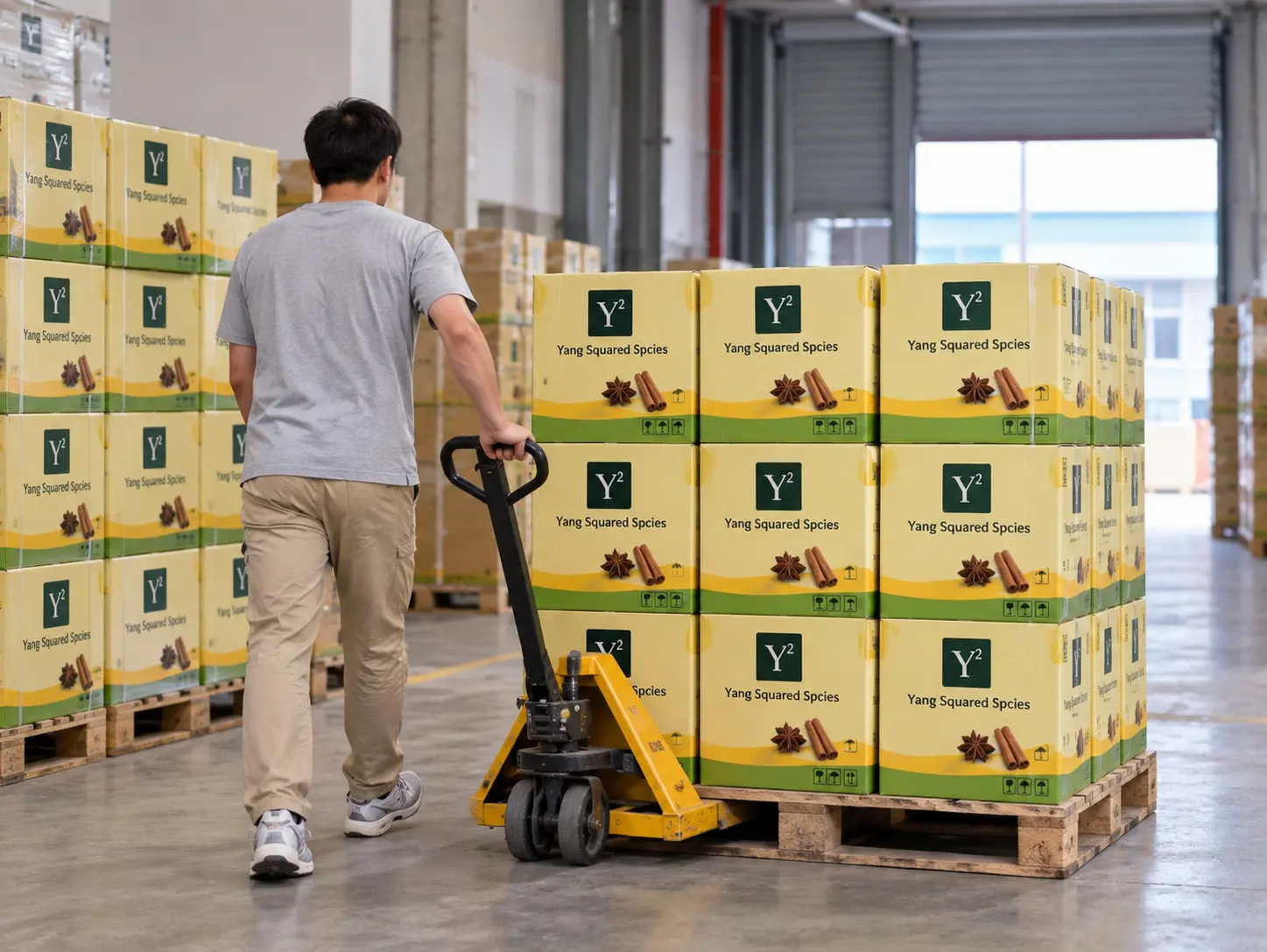
Worker moving a pallet of Yang Squared Spices cartons with a pallet jack

Dispatch

Cartons prepared for transport

Export cartons are checked and loaded under the confirmed shipment arrangement.

Dried ginger: harvest, selection and drying

These views explain the product stages behind a dried-ginger order; the processor, treatment and measurable specification are confirmed for the offered product.
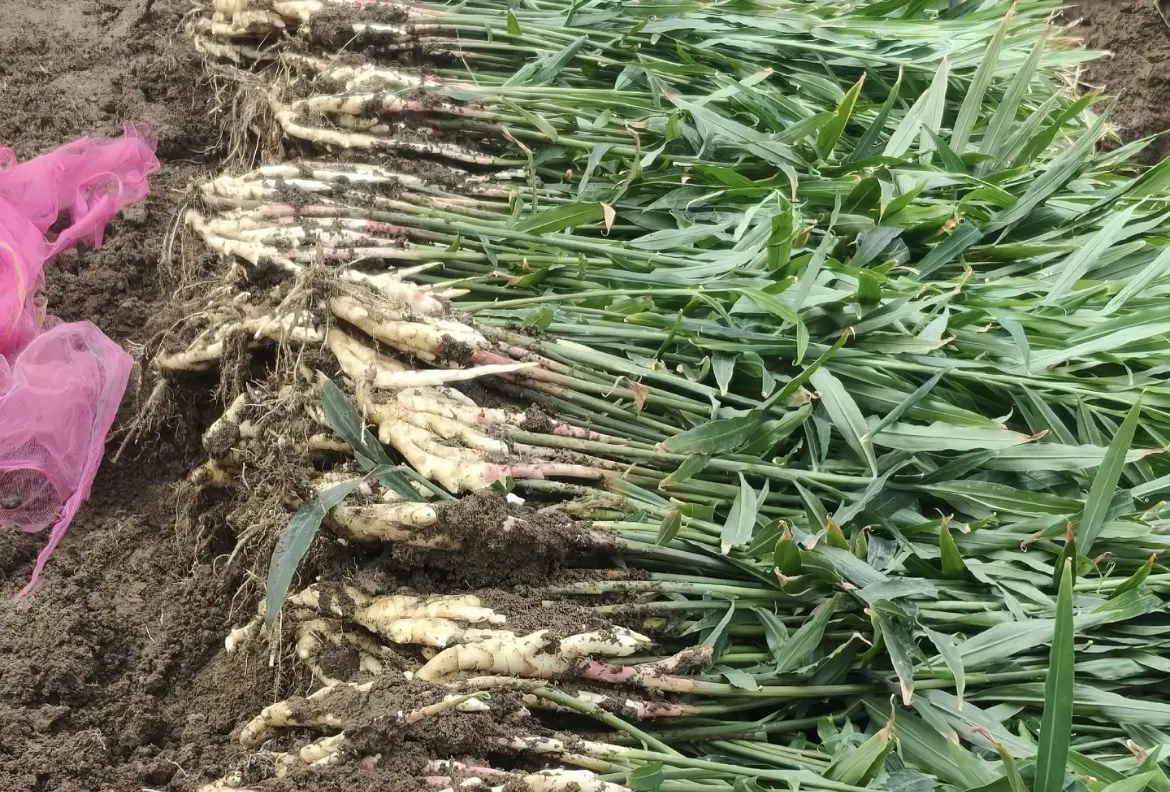
Freshly dug ginger rhizomes with leaves still attached

Harvest

Fresh ginger harvest

Fresh roots are lifted and gathered before cleaning, selection and further preparation.
Ginger rhizomes moving through mechanical cleaning equipment

Cleaning

Washing fresh ginger

Fresh ginger is washed in a drum cleaner to remove soil before sorting.
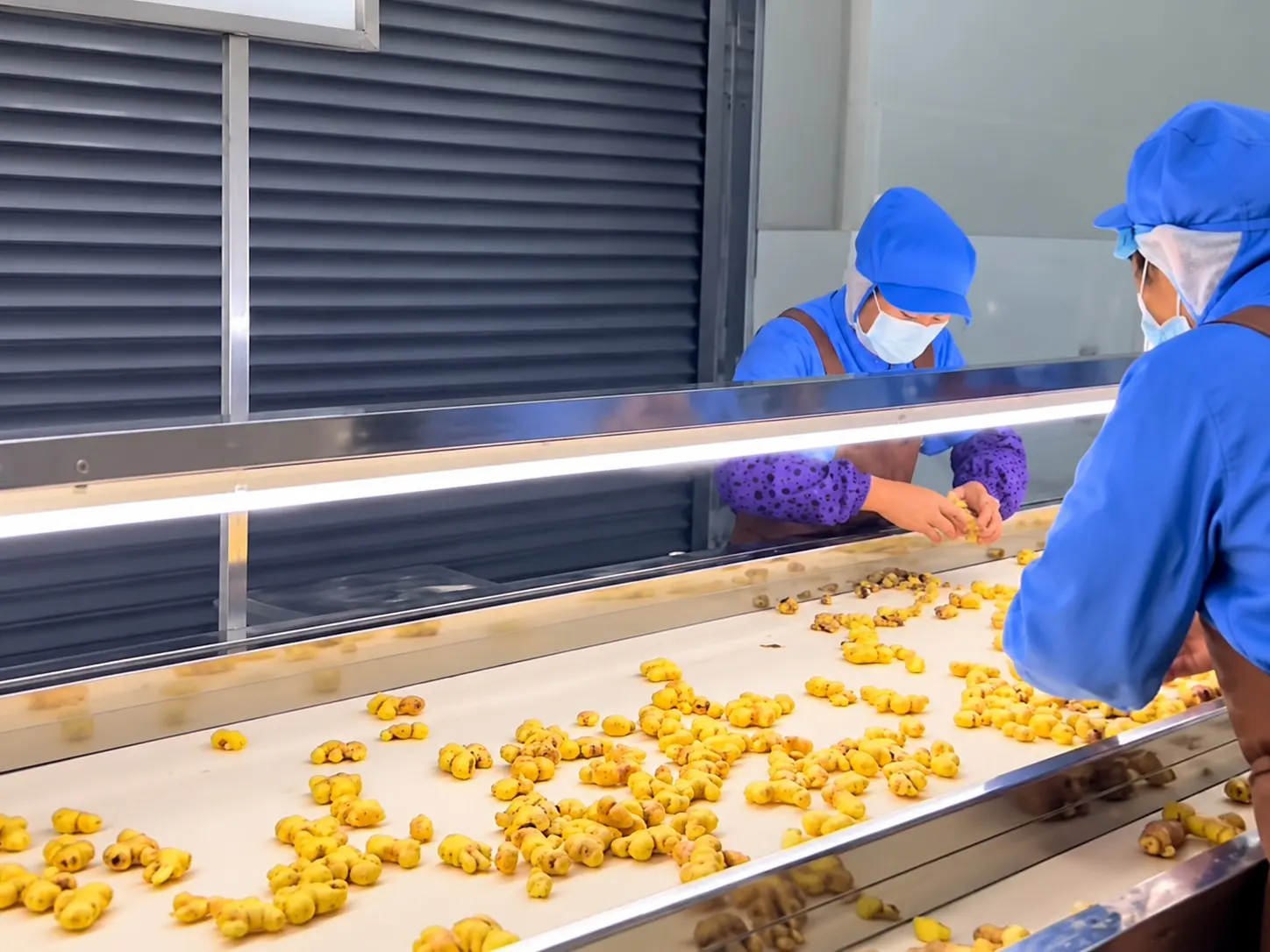
Workers in blue uniforms visually sorting ginger on a conveyor line

Selection

Manual visual selection

Workers visually check cleaned ginger on a sorting line before slicing.
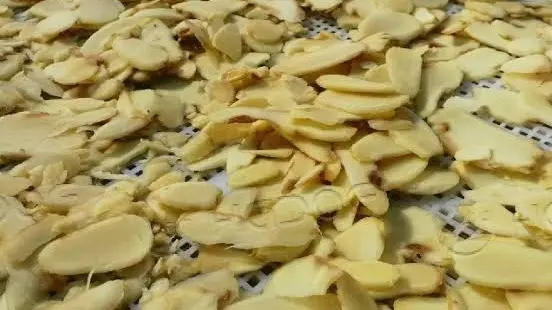
Sliced ginger spread out for drying

Drying

Drying sliced ginger

Cut slices are arranged for drying; slice dimensions, treatment and moisture are agreed in the product specification.
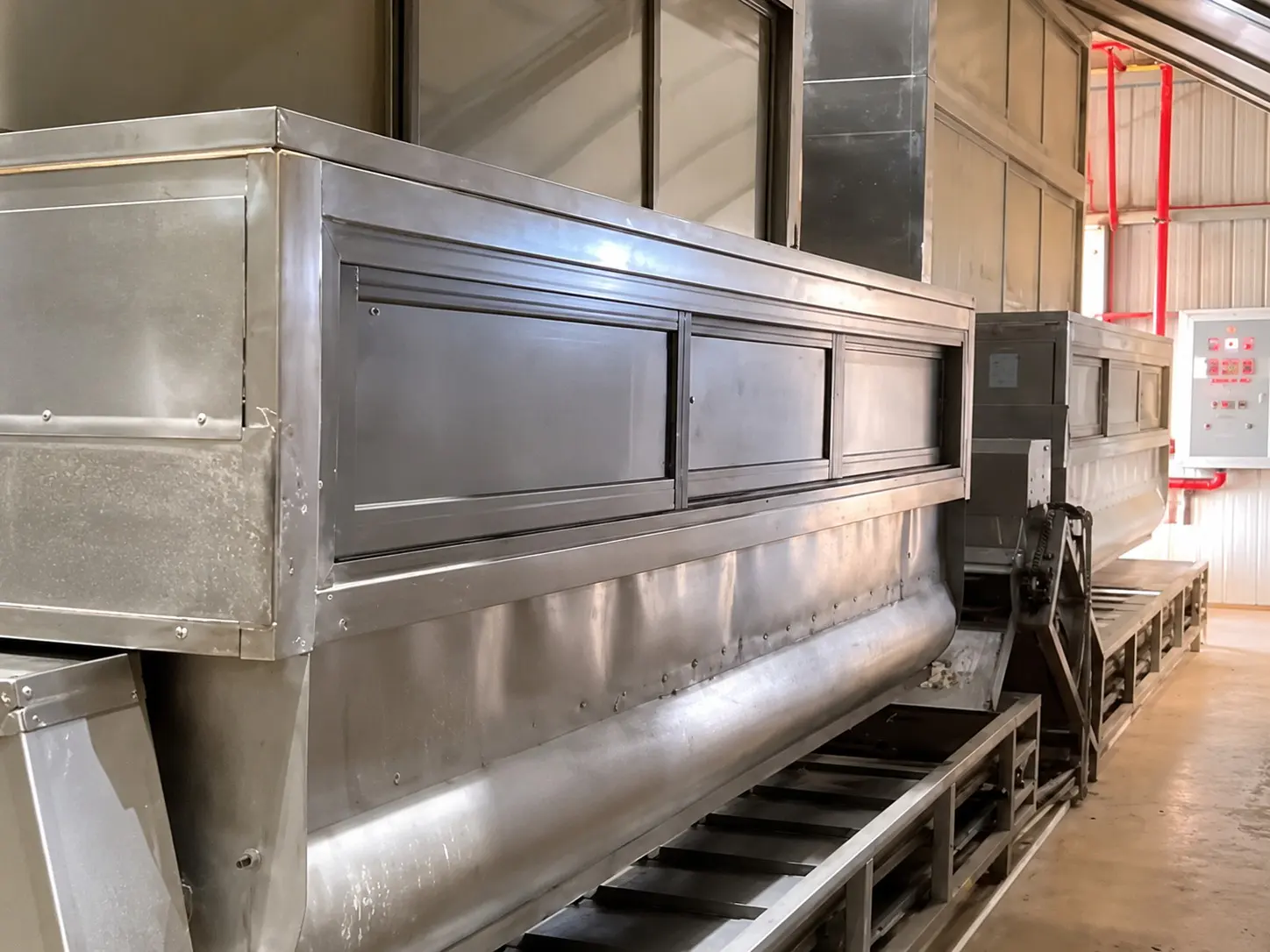
Stainless steel industrial drying tunnel equipment

Drying

Industrial drying tunnel

Sliced ginger passes through a mechanical drying tunnel to the moisture limit agreed in the specification.

Cumin: from field to sample

Four photos from the cumin supply chain, from the crop to the samples we send. Origin, purity and packing are confirmed for the offered lot.
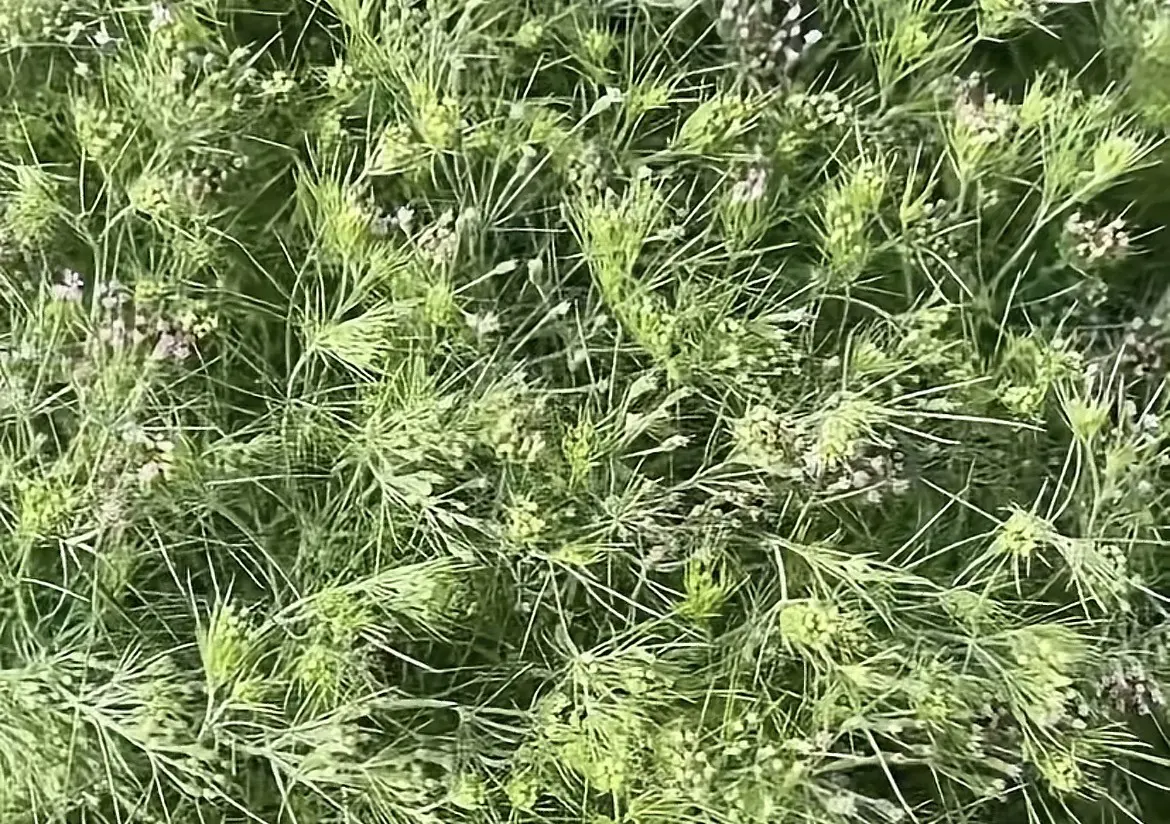
A field of flowering cumin plants

Crop

Cumin in the field

Cumin growing before harvest. The producing region of an offered lot comes from its supply records.
Cumin passing through mechanical processing equipment

Processing

Cleaning and separation

Processing equipment removes field material and prepares cumin for the agreed purity and quality checks.
Bagged cumin being unloaded from a truck at the warehouse

Receiving

Delivered to our warehouse

Bagged cumin is unloaded at our Yulin warehouse, where each delivery is identified before storage.
Branded sample bags of cumin for customer review

Samples

Samples for buyers

Samples are drawn from the offered lot so you can assess it before ordering.

Paprika: crop, drying, milling and samples

Six views of the main paprika stages. Colour, heat level where applicable, mesh, microbiology and packing are agreed for each order.
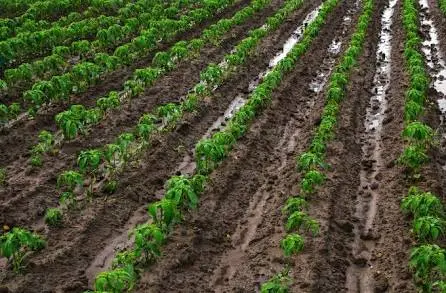
Rows of pepper plants growing in a cultivated field

Crop

Pepper crop in the field

Field conditions and crop maturity influence the material available for paprika production.
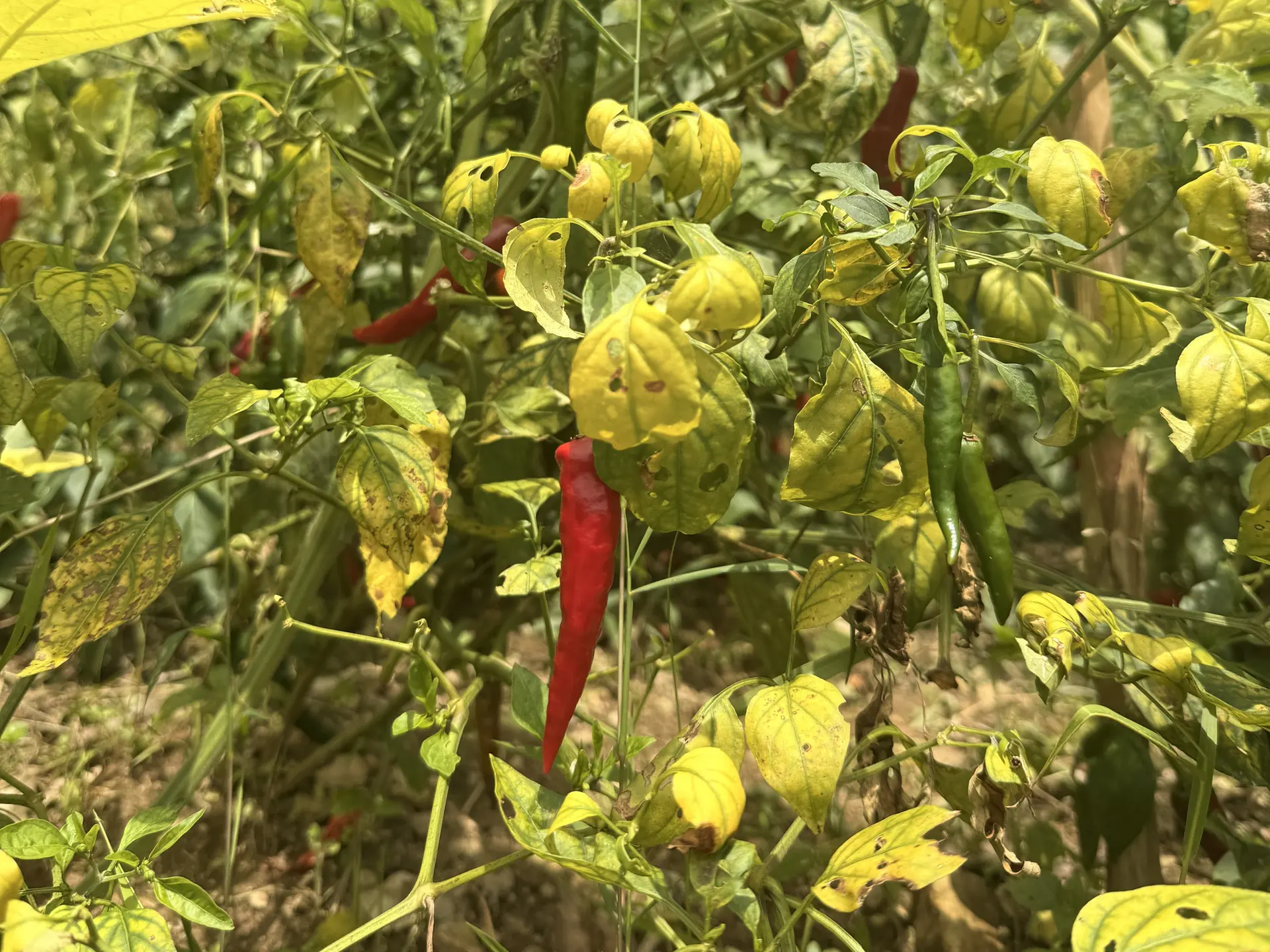
Chilli peppers ripening on the plant

Crop

Peppers ripening on the plant

Peppers ripen on the plant before harvest. Pesticide residues are confirmed by laboratory test, not by field photographs.
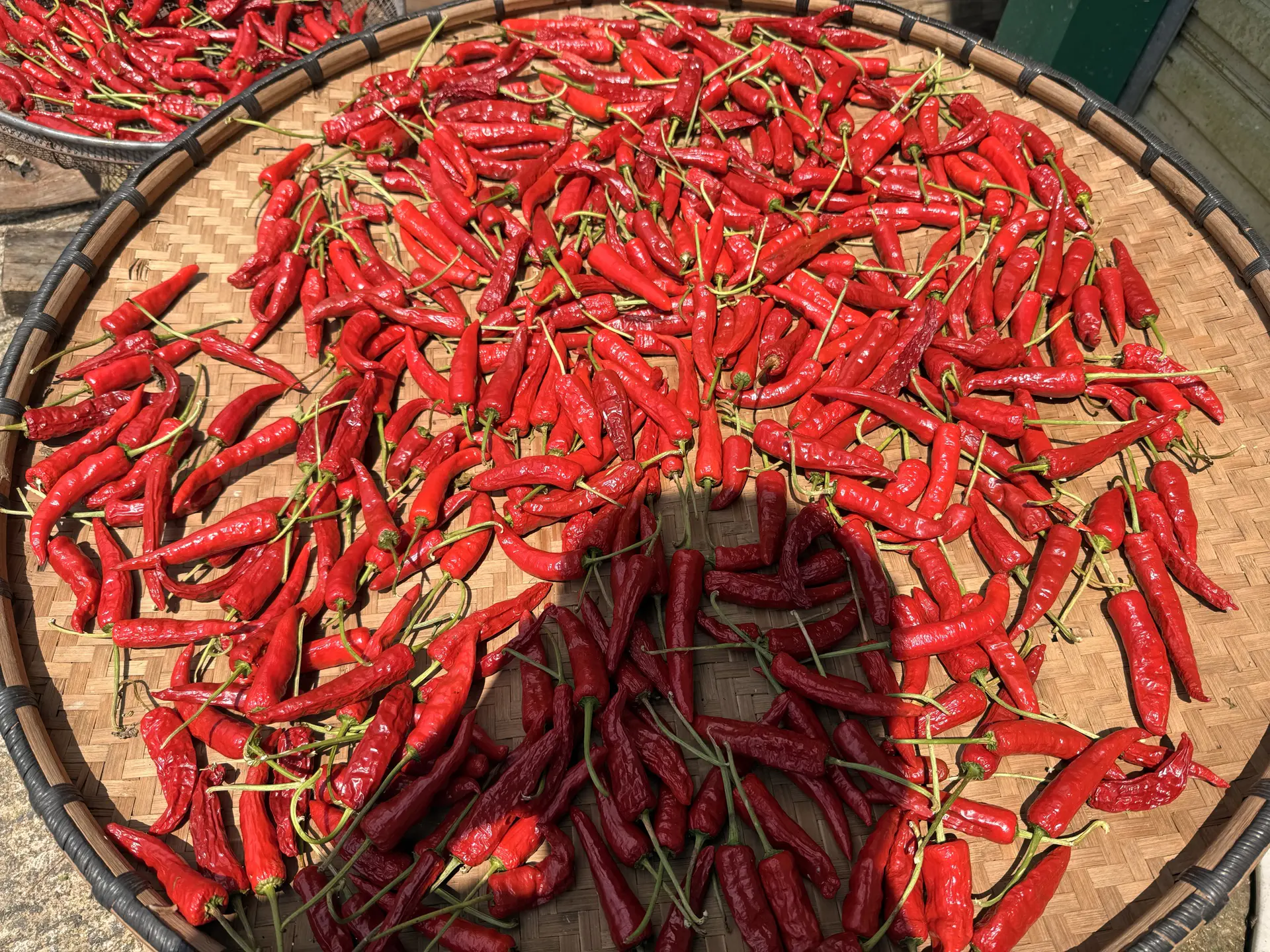
Red chillies spread on a round tray to dry in the sun

Drying

Sun-drying peppers

Drying reduces moisture before milling; the finished-product limit is confirmed in the specification.
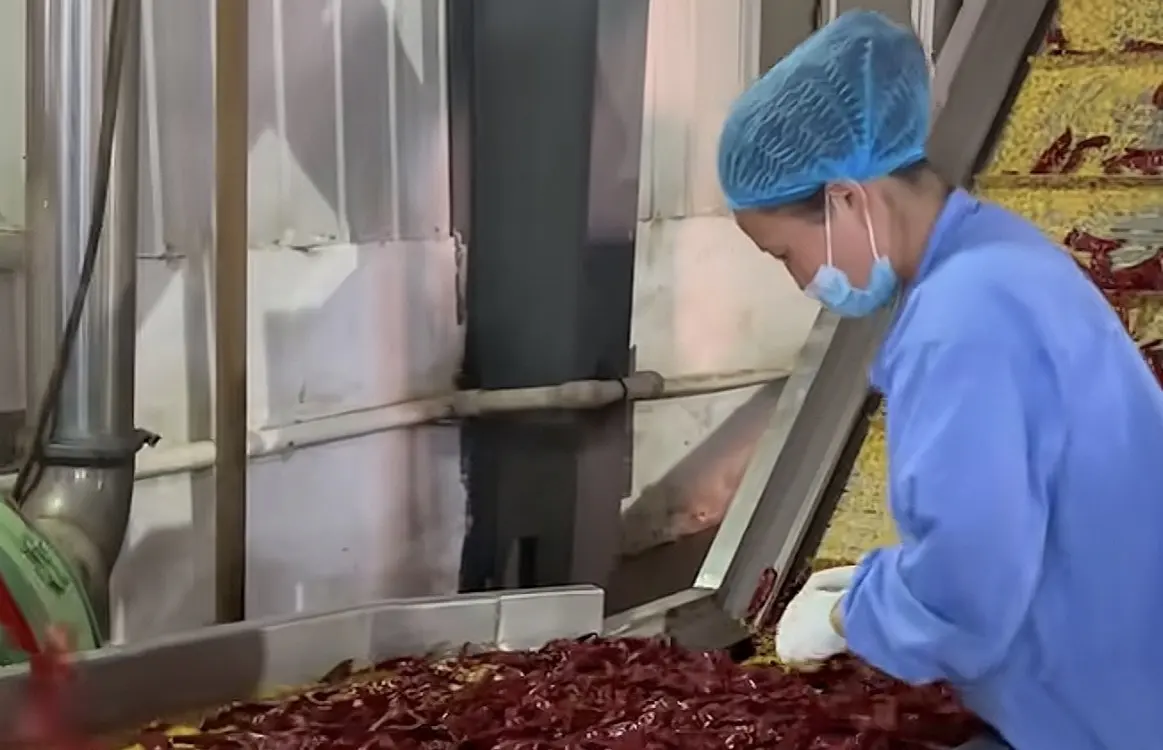
Worker in a hairnet hand-sorting dried red peppers before milling

Selection

Selecting dried peppers

Dried peppers are hand-checked before milling; foreign matter and unsuitable pieces are removed.
Milling equipment for processing dried peppers into powder

Milling

Milling dried peppers

Dried peppers are milled to the agreed form and fineness before final checks.
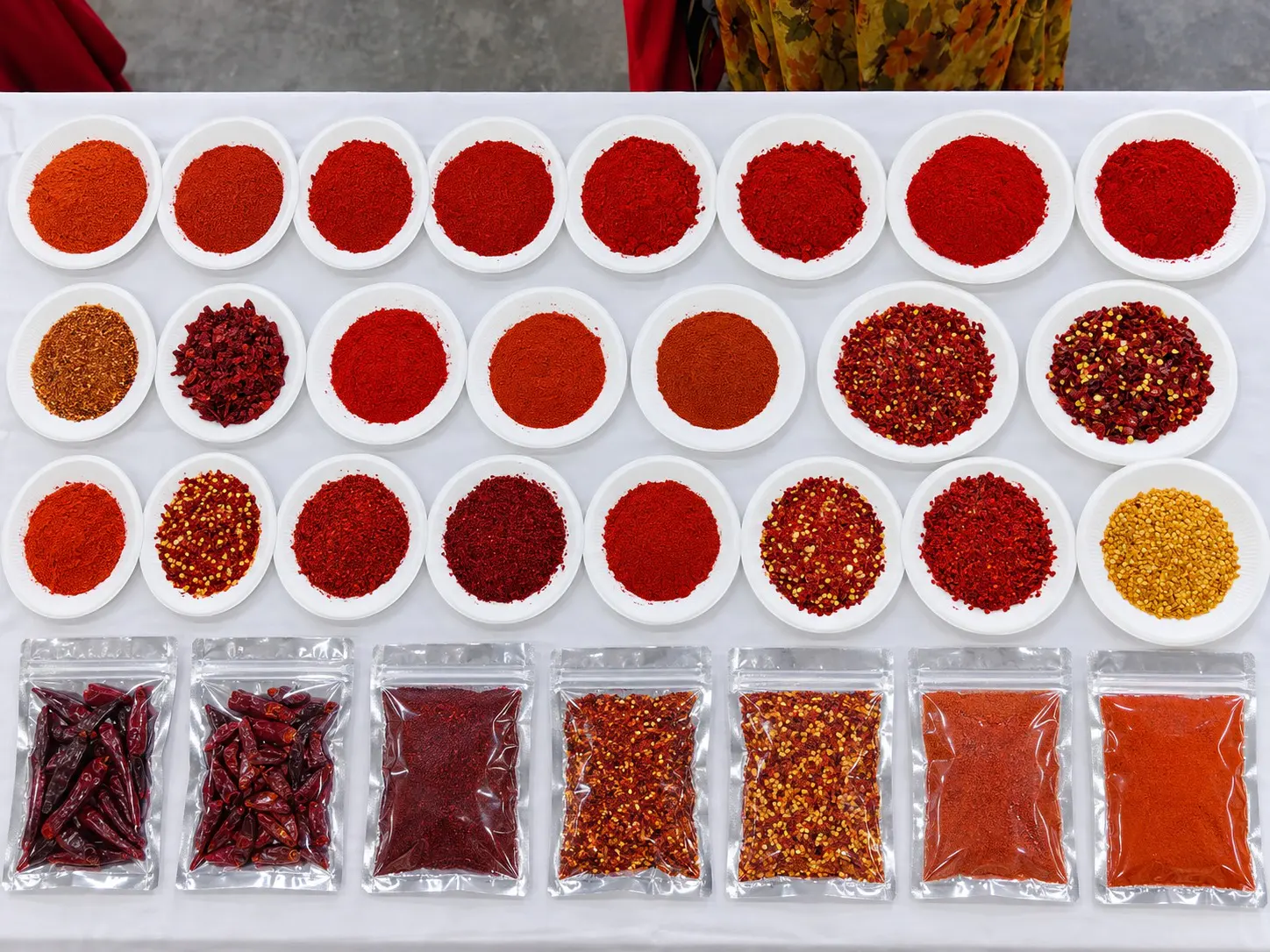
Paprika powder colour reference samples and small packed bags

Samples

Colour samples for approval

Powders of different colour strengths let the buyer choose a colour before ordering; the ASTA value is confirmed by lot analysis.

Pepper: from plantation to stock

Five views show pepper from the growing plant through processing to stock ready for an order. Origin, processing and packing are confirmed for the specific lot offered.
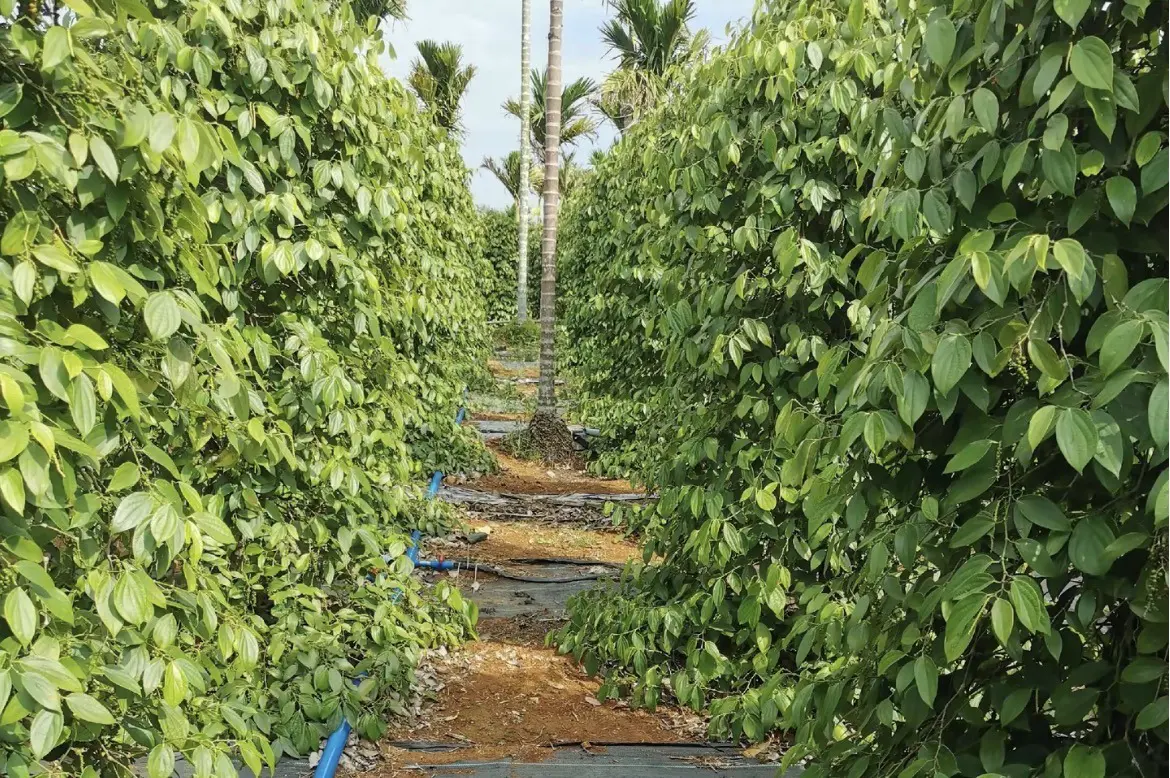
Rows of pepper vines trained up wooden stakes at a plantation

Supplier plantation photograph

Pepper vines on trellised rows

A pepper plantation in our supply chain. The producing country of an offered lot comes from its supply and import records.
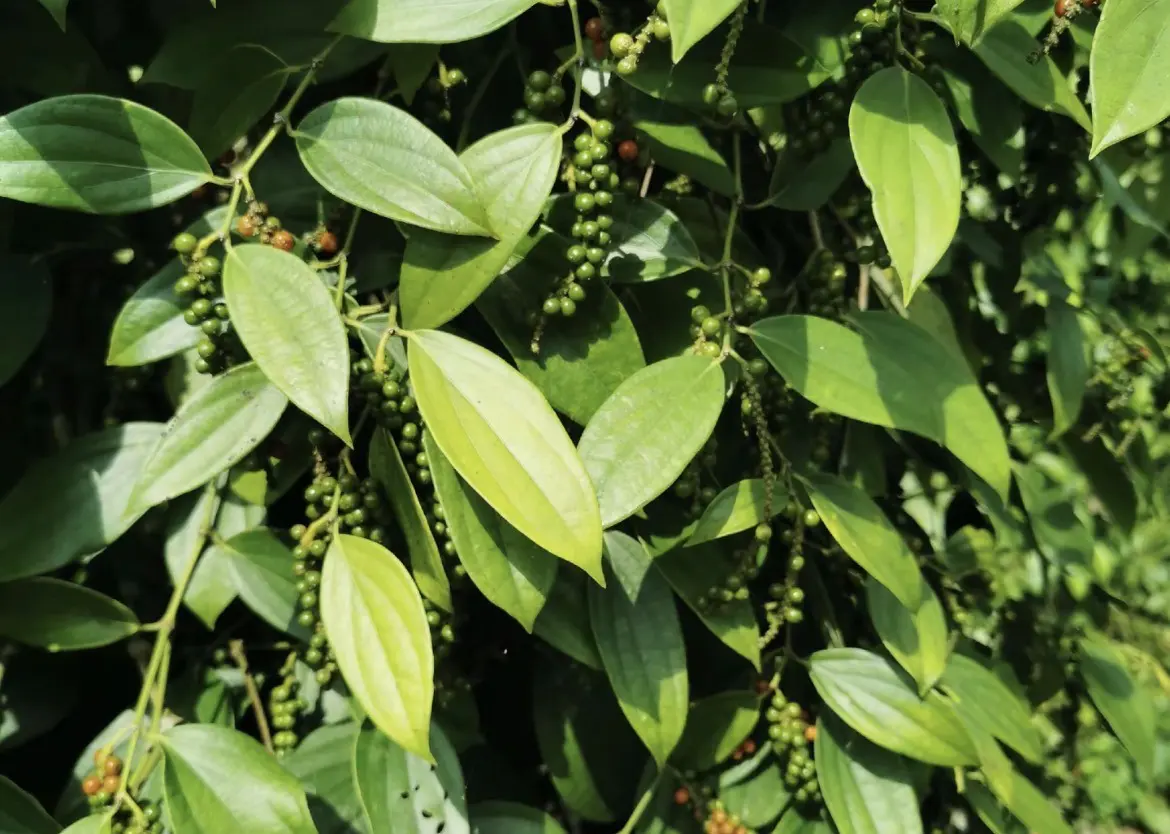
Close-up of green pepper berry clusters growing on the vine

Crop

Pepper berries on the vine

Green berry clusters develop on the vine before harvest; ripeness at harvest affects the finished black or white pepper.
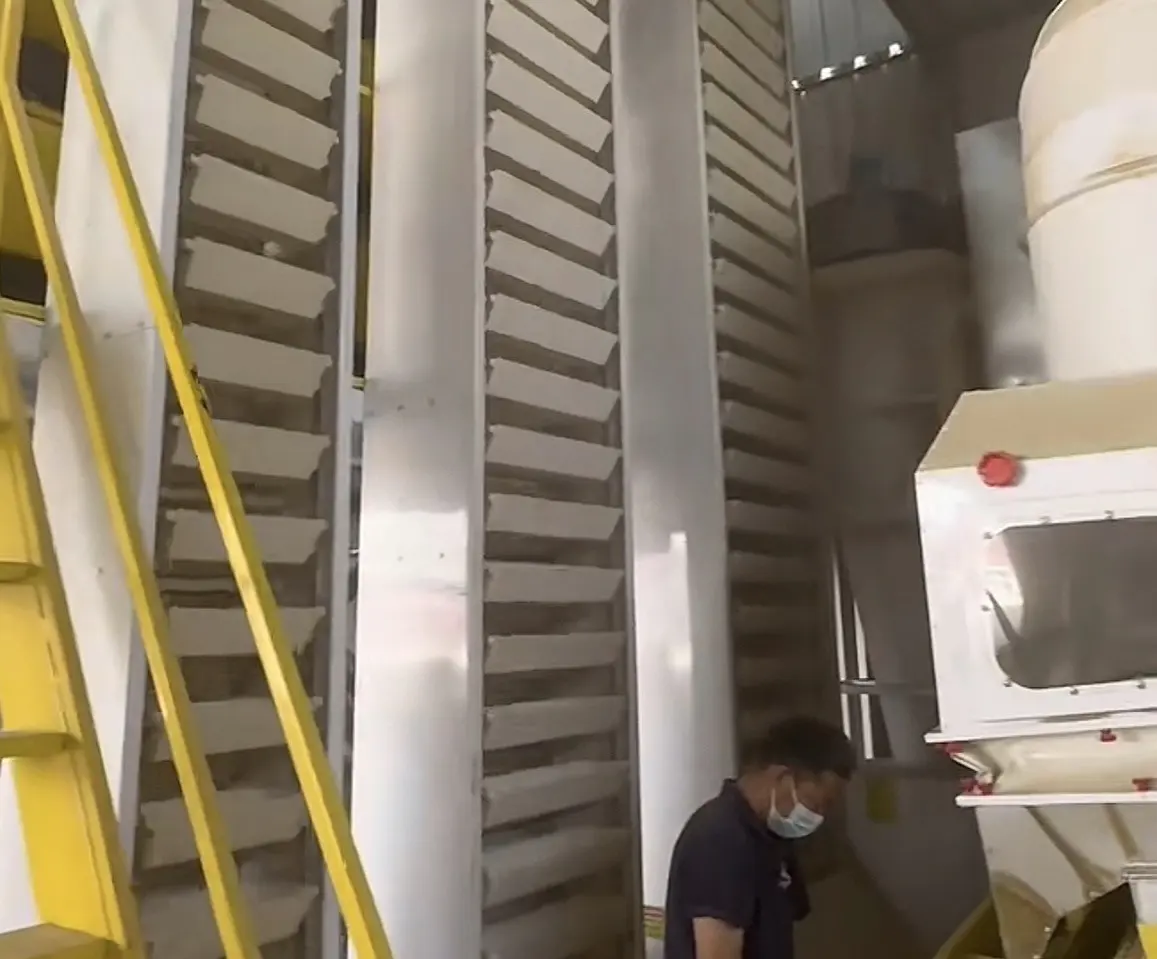
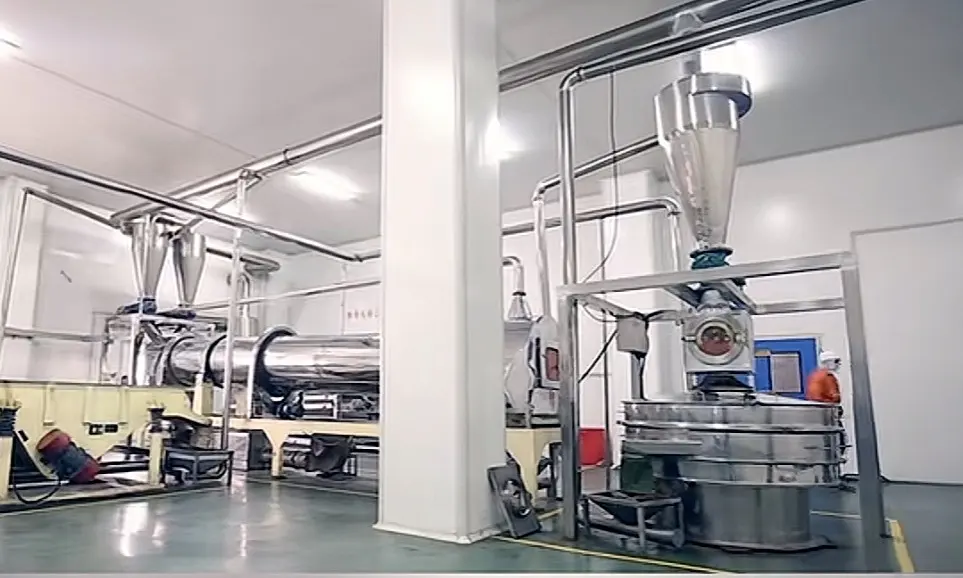
Pepper processing equipment inside a factory building

Processor photograph

Processing-line equipment

Harvested pepper passes through cleaning and grading equipment before the finished product is sorted.
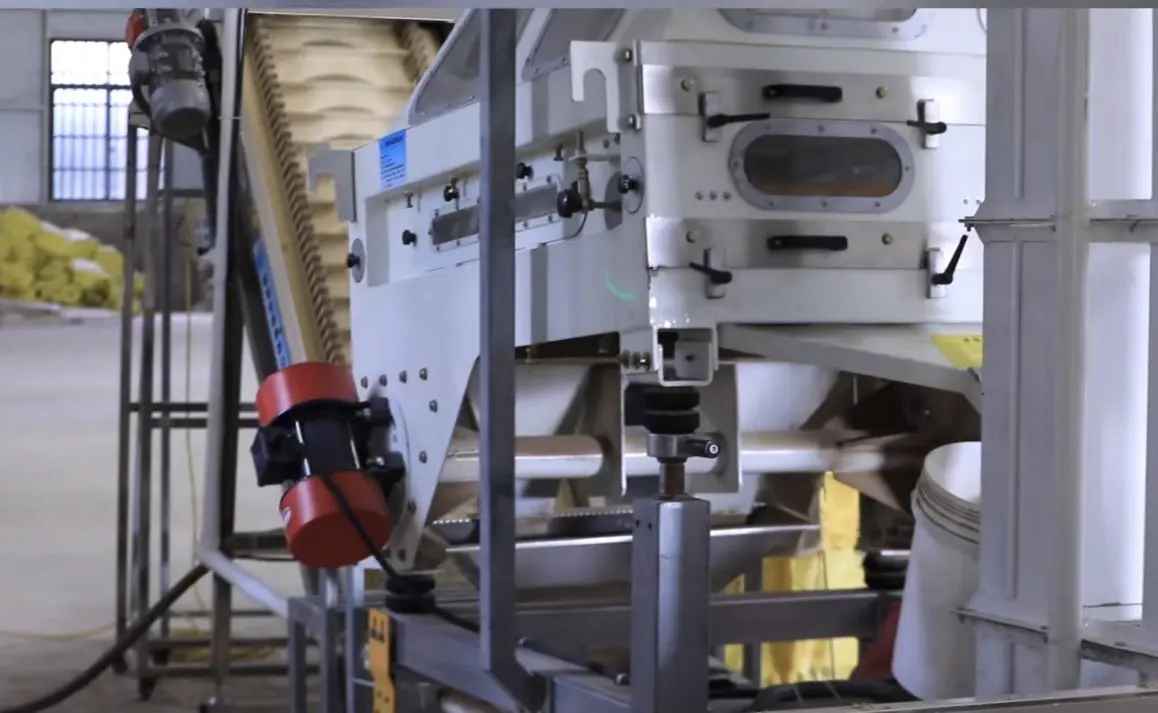
White pepper on an inclined sorting conveyor

Processor photograph

Pepper on a sorting line

Processed pepper moves along a sorting line before bagging.
Stacked bagged pepper stock in a storage area

Our stock

Bagged pepper in our stock

Pepper held in our stock; lot, origin and packing are confirmed in the quotation.

Fennel seed: from field to dispatch

Five views show fennel seed from the flowering crop through processing to dispatch. Origin, treatment and the agreed specification are confirmed for the offered lot.
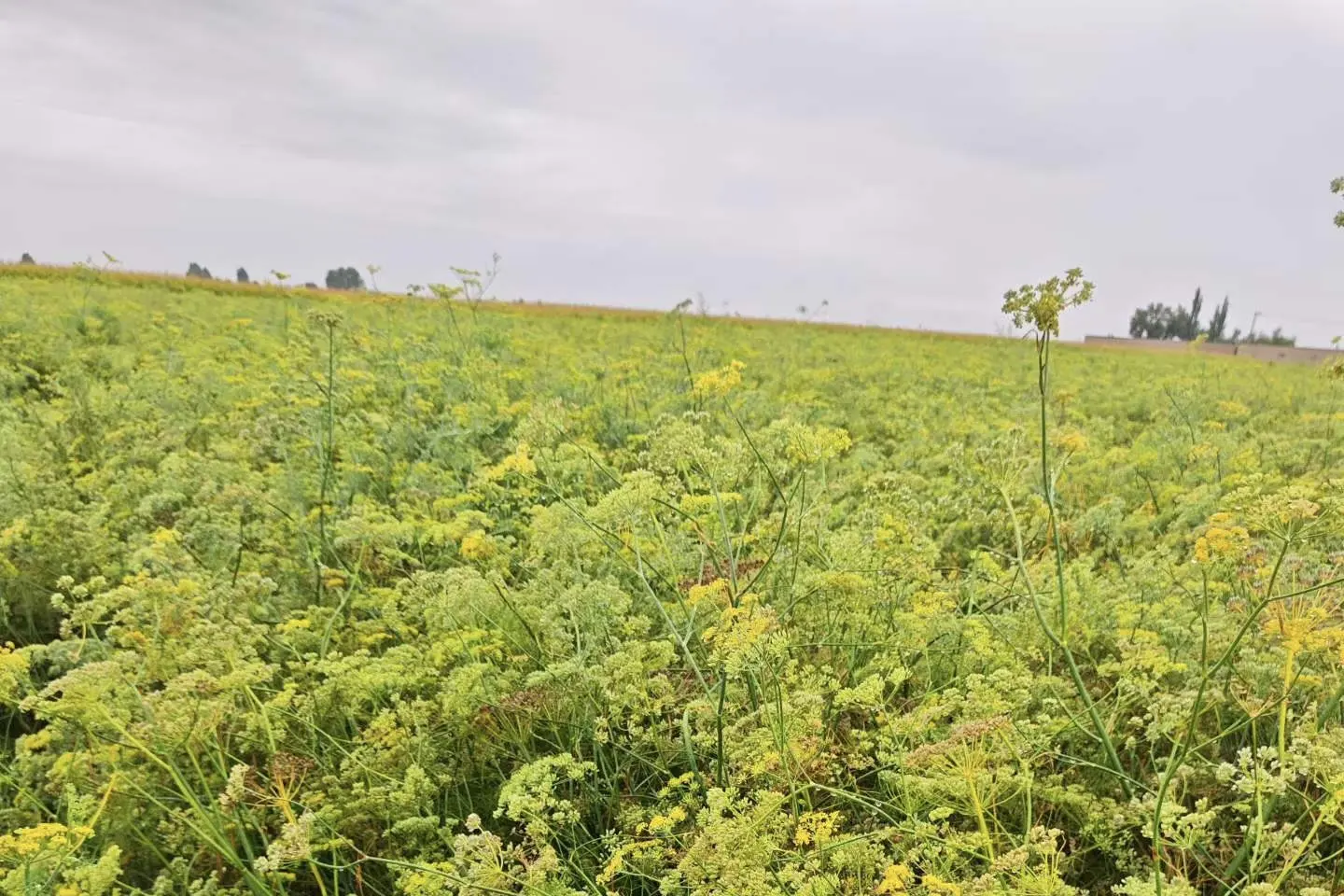
A flowering fennel field ready for harvest

Field

Flowering fennel crop

Fennel is grown as a flowering crop before the seed is harvested and dried.
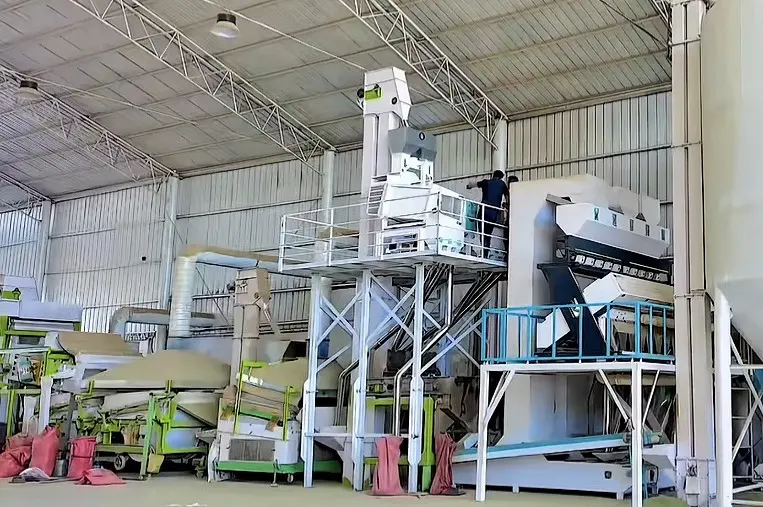
Fennel seed processing equipment inside a factory building

Processor photograph

Processing-line equipment

Harvested fennel seed passes through cleaning and grading equipment at a processing site.
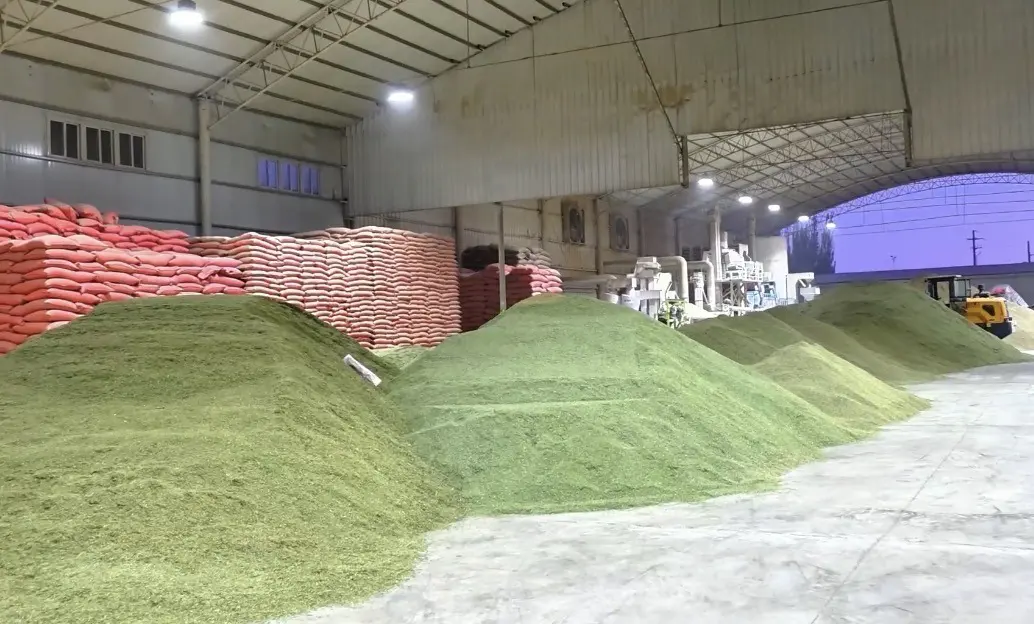
Large heaps of green fennel seed stored indoors beside packed sacks

Processor photograph

Bulk fennel seed at a processing site

Processed fennel seed is held in bulk at a supplier’s processing site before further selection.
Fennel seed on a vibrating screen at a supplier’s facility

Supplier-site photograph

Screening at a supplier’s facility

Fennel seed is screened for size and cleanliness at a supplier’s processing facility.
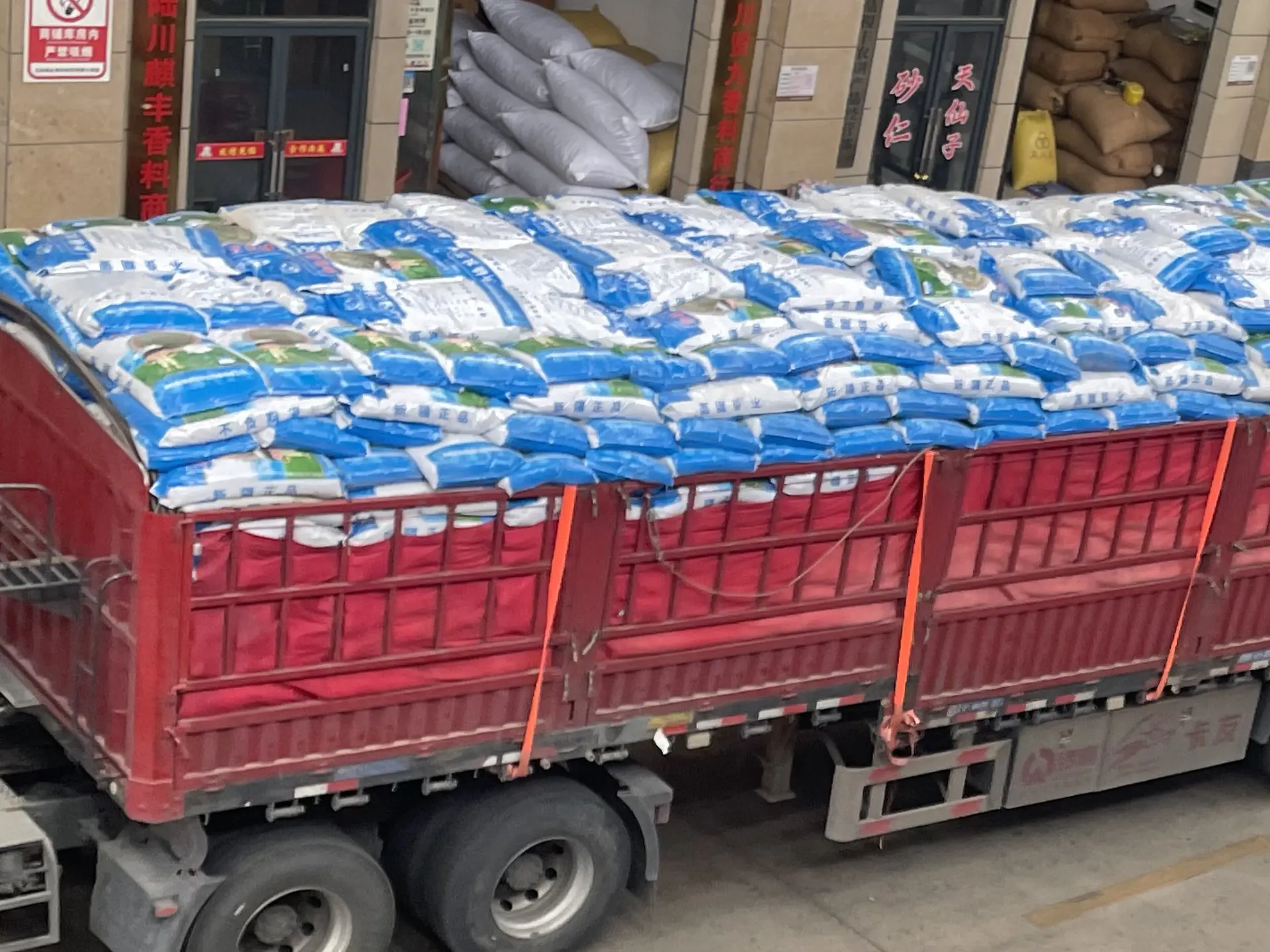
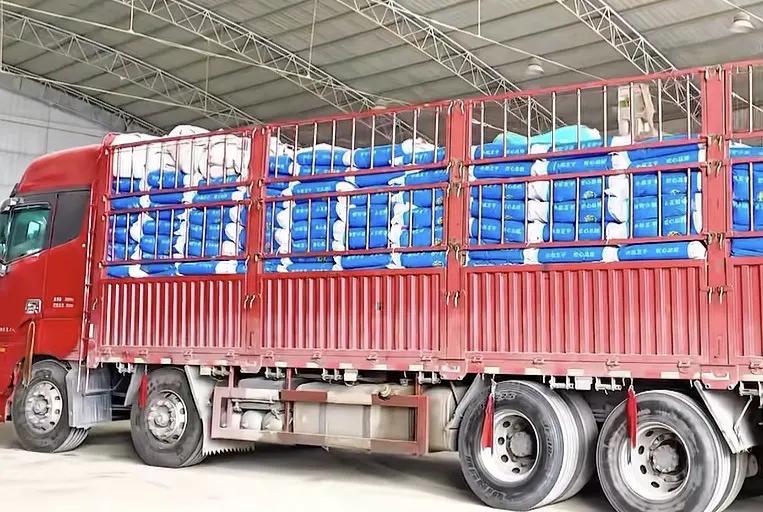
Truck loaded with bagged fennel seed for transport

Dispatch

Loaded for transport

Bagged fennel seed is loaded onto a truck for transport to the next stage.
01

Quality Control

The agreed sample and written specification define what we check. Our Yulin team then follows the proposed product from current-supply review through preparation and pre-shipment testing.

  1. 01

    Agree the quality basis

    We agree the product identity, origin, grade, form and measurable specification with you. The approved physical sample provides the reference for appearance, aroma, flavour and other agreed characteristics.

  2. 02

    Review current supply

    Yulin compares current material, relevant suppliers and processing options against the requirement, including the quality concerns that matter for the product and destination.

  3. 03

    Follow preparation

    We coordinate sourcing, sorting, processing and packing checks with the relevant partners. Agreed photographs or video of the prepared goods support your pre-shipment review.

  4. 04

    Test every export lot

    Every export lot is laboratory tested before shipment through laboratory partners in Shenzhen and Guangzhou. Test scope and limits are agreed for the product and destination, including pesticide-residue requirements where relevant.

02

Lot-linked Records

The buyer record connects what was requested, proposed, checked and shipped. General website photographs explain our operations; the order record identifies the evidence for your specific lot.

01

Requirement

Buyer brief, confirmed specification and approved sample

02

Supply

Source, supplier or processor, product and lot references

03

Quality

Preparation evidence, test scope and results, and any agreed inspection records

04

Shipment

Commercial, packing and transport documents, plus shipment reference

Private order updates

For an active order, we keep the latest approved milestone, next action, relevant evidence and shipment references in one private buyer record. The authorised contact can request a single-use access link.

Track an order ↗

Quality questions

Is every export lot laboratory tested?

Yes. Every export lot is tested before shipment. The tests and acceptance limits are agreed for the product and destination; the scope is identified in the relevant report.

Which laboratories do you use?

We work with laboratory partners in Shenzhen and Guangzhou. If your purchasing specification requires a particular laboratory, test method or accreditation, tell us before order confirmation so we can check whether we can meet it.

Can you test for pesticide residues for my market?

We agree the applicable residue-testing requirements before confirming the order. Please share your destination and purchasing specification so we can confirm the test scope and limits. A sample's appearance or a photograph cannot establish pesticide-residue levels.

How is the bulk order checked against the sample?

The approved sample and written specification form the basis for the order. We use the sample for the agreed product characteristics and the specification for measurable requirements. Laboratory results and preparation records support your pre-shipment review.

Can I connect a report to the lot being shipped?

Yes. We link the lot with its source, sample, test reports and shipment information, and share the relevant records for your order. General website photographs show our operations; your order's records identify the specific goods and checks.

Can I arrange an independent pre-shipment inspection?

Yes. Tell us before confirming the order so the inspection scope, access, timing and costs can be agreed alongside preparation and shipment arrangements.

How are imported cloves checked?

Our whole cloves are grown in Indonesia and imported for sorting, quality control and re-export. We check each lot's appearance, aroma and cleanliness in China; the producing country is stated from the import records, because sorting or packing in China does not make cloves Chinese.

Is quality in the Yulin spice trade regulated?

It is being raised. In March 2024 the Guangxi government adopted measures for Yulin's spice industry, including a national key laboratory for spice import-export inspection and quarantine at Yulin Customs, a spice industry standards system and the regulated development of the spice trading market (document 桂政办函〔2024〕11号). Our own checks do not depend on those measures: every export lot we ship is laboratory tested before shipment.

How do Kun and Chuangui grade a lot at Yulin?

For bulk lots, Kun and Chuangui inspect representative bags from the offered shipment at the Yulin sourcing desk. The first assessment focuses on the product itself: uniformity, dryness, visible foreign matter and defects, and characteristic aroma. This sensory and physical inspection is a commercial screening step. Measurable specifications such as moisture, density, volatile oil, colour value or microbiological parameters are confirmed through the appropriate lot-specific documentation or testing when applicable. Growing origin is likewise established from supplier and trade documentation, not from appearance, aroma or taste.

START WITH THE REQUIREMENT

Include your specification and testing requirements.

Send RFQ ↗