
ANISE SPICES EXPLAINED

Star Anise, Fennel and Aniseed: Three Different Spices

Star anise is the star-shaped fruit of an evergreen tree (Illicium verum); fennel is the small ridged seed of an annual herb (Foeniculum vulgare); aniseed is the small fruit of another herb (Pimpinella anisum). All three taste of anethole, but they differ in plant, strength, use and price: in Yulin, bulk star anise costs about two and a half times as much as bulk fennel.

By Fu Yang Updated

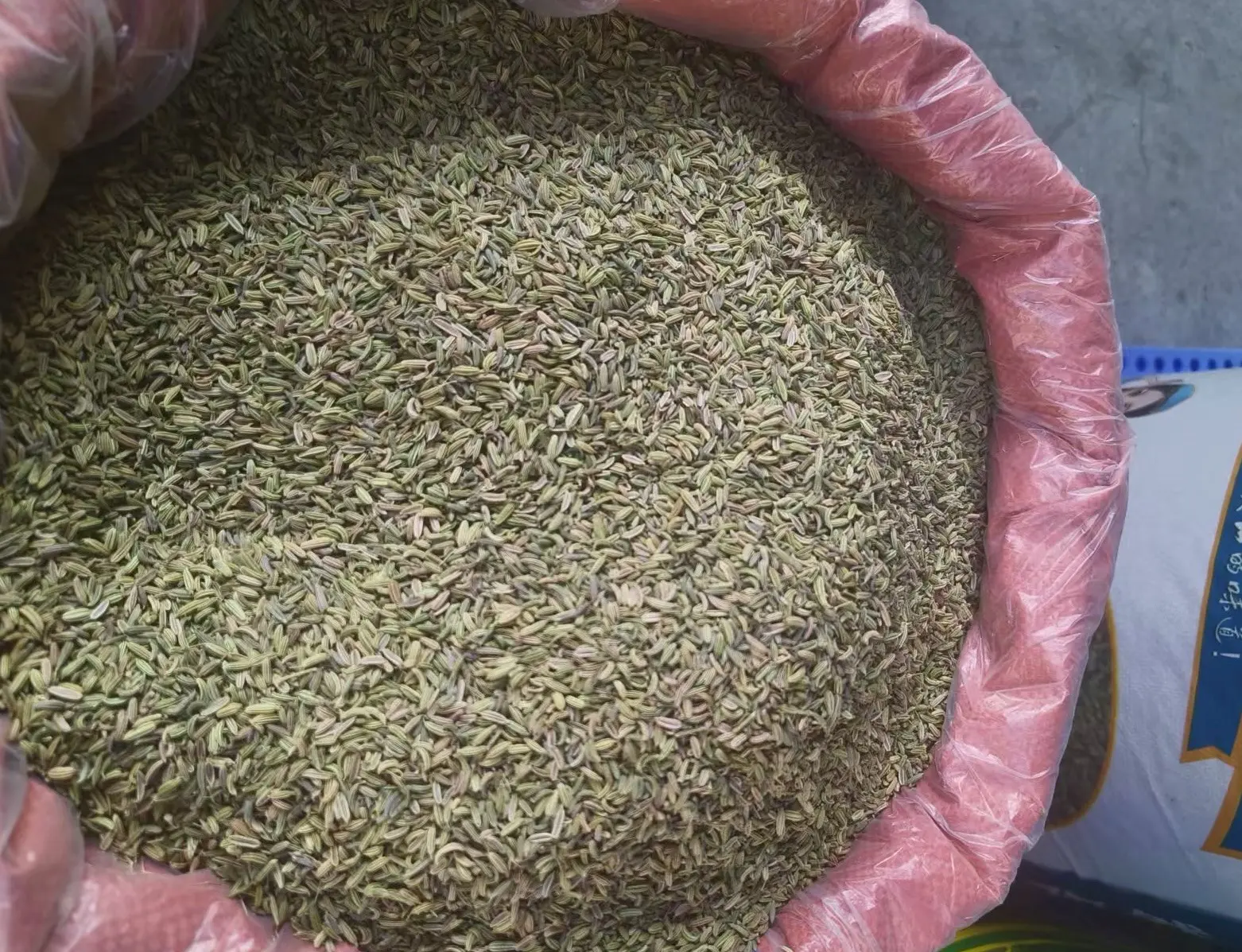
Whole fennel seed

PRACTICAL TIPS

Three “anise” spices side by side

Three “anise” spices side by side
SpiceWhat it isTypical use
Star anise (八角 or 大茴香; badiane)Illicium verum: the star-shaped fruit of an evergreen tree, usually with eight lobes. Strong, sweet anise aroma with some pungency.Braises, hot-pot bases, spice oil, drinks, fragrance and extraction.
Fennel (小茴香; fenouil)Foeniculum vulgare: a small oval seed of 3–5 mm with five ridges. Green, sweet, gentle and liquorice-like.Grill seasoning, fillings, braises, bakery, fennel drinks and oil.
Aniseed (anis vert)Pimpinella anisum: an even smaller fruit of a herb, with a strong anethole aroma.European baking and anise liqueurs; little bulk trade in China.

Why the names get mixed up

All three spices contain anethole, the molecule behind the anise taste, and the trade names overlap. In Chinese, star anise is 八角 or 大茴香, “big fennel”, and fennel is 小茴香, “small fennel”. In French, star anise is badiane or anis étoilé, aniseed is anis vert and fennel is fenouil. In English, “anise” can mean star anise or aniseed.

Japanese star anise (Illicium anisatum) looks similar to Chinese star anise but is not a food. That is another reason to put the botanical name in every specification.

Where fennel comes from

In China, Gansu (Minqin, Wuwei, Yumen) is the quality benchmark: plump, bright yellow-green seed with volatile oil of 2.0–2.8% and a clean sweet aroma with a liquorice finish. Inner Mongolia gives even, light-yellow seed with 1.5–2.2% oil and milder sweetness, 10–15% below Gansu. Shanxi and Shaanxi give smaller, darker seed, mild to slightly bitter, at a lower price.

Abroad, India produces the most fennel: small, dark-yellow seed, sharper and slightly bitter, and the cheapest. Egyptian fennel is plump, pale and sweet, close to Gansu, and sells to Europe and the Middle East. Türkiye grows even, sweet fennel with a floral note for premium use. Sweet fennel is the food spice; bitter fennel goes mainly to medicinal use and oil. Florence fennel is a vegetable grown for its bulb.

China harvests from late July (Minqin) to early September (Inner Mongolia, Shanxi). India harvests in December and January, Egypt in April and May, and Türkiye in June and July.

Anise in pastis

Pastis-style aperitifs such as Ricard get their anise character mainly from star anise, with fennel in a supporting role alongside liquorice and herbs. Diluted with iced water, the anethole turns the drink cloudy. That makes France, Spain and Italy important end markets for star anise oil. Commercial spirits are made by licensed producers; this is market context, not a recipe.

Price index, September 2026

Yulin market prices as an index, with Gansu bulk fennel = 100; not offers. Gansu fennel fell by about half from 2023 to 2024, then recovered about 20% in 2025.

Gansu fennel, bulk

100

Gansu fennel, selected large seed

about 115

Inner Mongolia fennel

about 85

Egyptian fennel, landed

about 105–110

Turkish premium fennel, landed

about 170

For comparison: autumn star anise, bulk

about 260

QUICK CHECK

Before ordering an anise spice

  • Botanical name
  • Whole, crushed or ground
  • Origin, and sweet or bitter type for fennel
  • Purity and foreign-seed limits
  • Minimum volatile oil
  • Packing, quantity and destination

Origins and prices here come from our team's trading in Yulin and are dated. Brand references describe the market; they are not endorsements or recipes.

BUYER QUESTIONS

Frequently asked questions

Can fennel replace star anise?

Not one for one. Fennel is gentler and greener; star anise is stronger and sweeter, with some pungency. Test the dose in your product.

Is “big fennel” a kind of fennel?

No. 大茴香, “big fennel”, is a Chinese trade name for star anise. Fennel is 小茴香, “small fennel”.

Is Japanese star anise the same as Chinese star anise?

No. Japanese star anise (Illicium anisatum) is not a food. Food-grade star anise is Illicium verum; ask for the botanical name on the specification.

Which fennel is best?

It depends on use. Gansu (Minqin) and Turkish fennel are the sweet, aromatic benchmarks; Egyptian fennel is close to Gansu; Indian fennel is cheaper and sharper.