
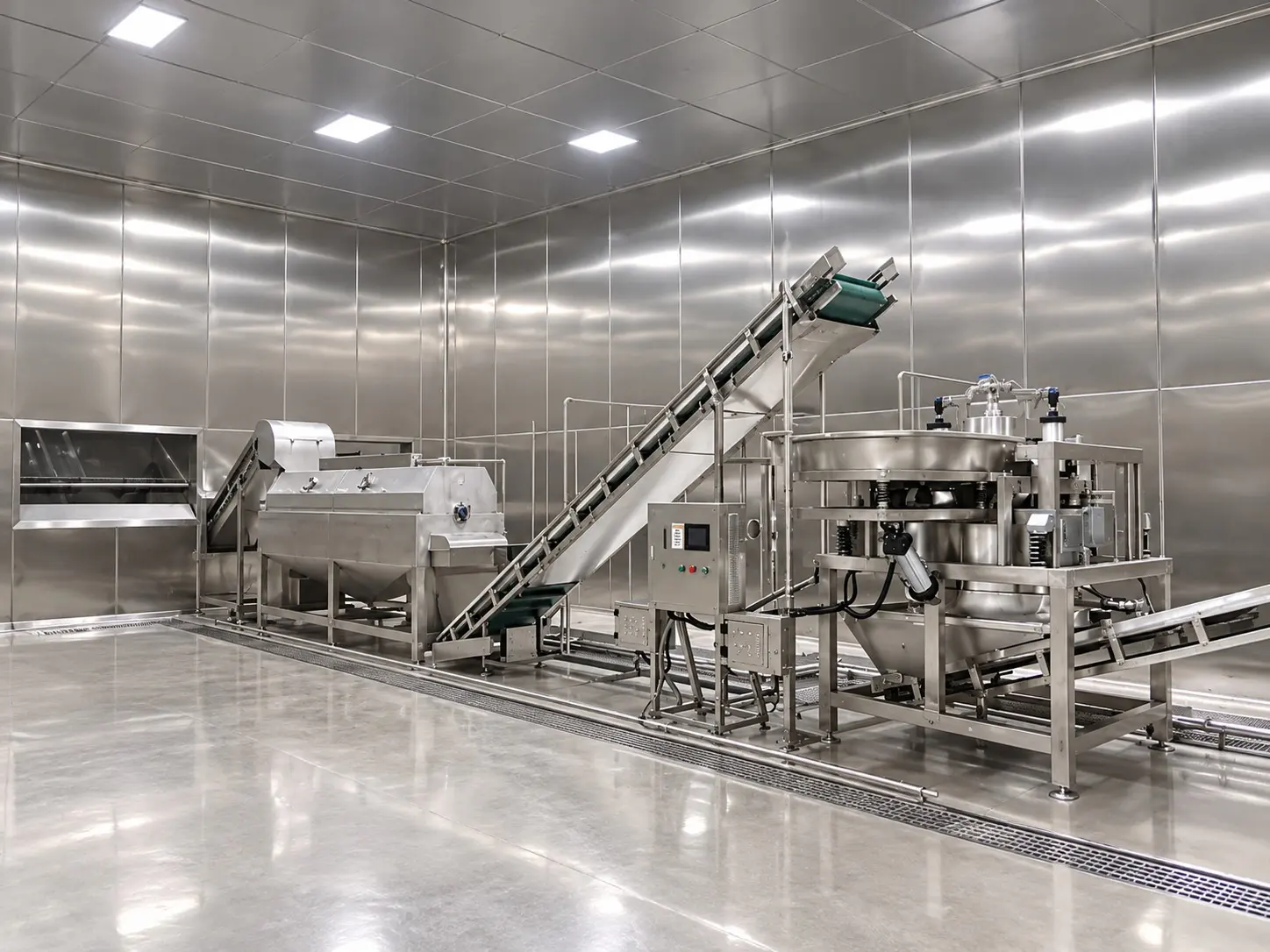
Washing
Paprika
Colour, heat, mesh and microbiology are written into your specification, and every export lot is laboratory tested before it ships.
Four risks professional buyers check first, and how each one is controlled in your order.
ASTA colour falls with heat, light and time in storage. The ASTA value is written into the specification and confirmed by lot analysis.
Dried peppers can carry high bacterial counts from the field. The partner plant sterilises with a continuous microwave line; microbiological limits are agreed for each order and checked in the lot test.
Aflatoxins and ochratoxin A can form when pods are dried or stored badly. Mycotoxin tests can be part of the test scope agreed for your destination.
Pesticide residues and illegal dyes such as Sudan red are known risks in chilli products. A sample or a photograph cannot rule them out; the agreed laboratory tests can.
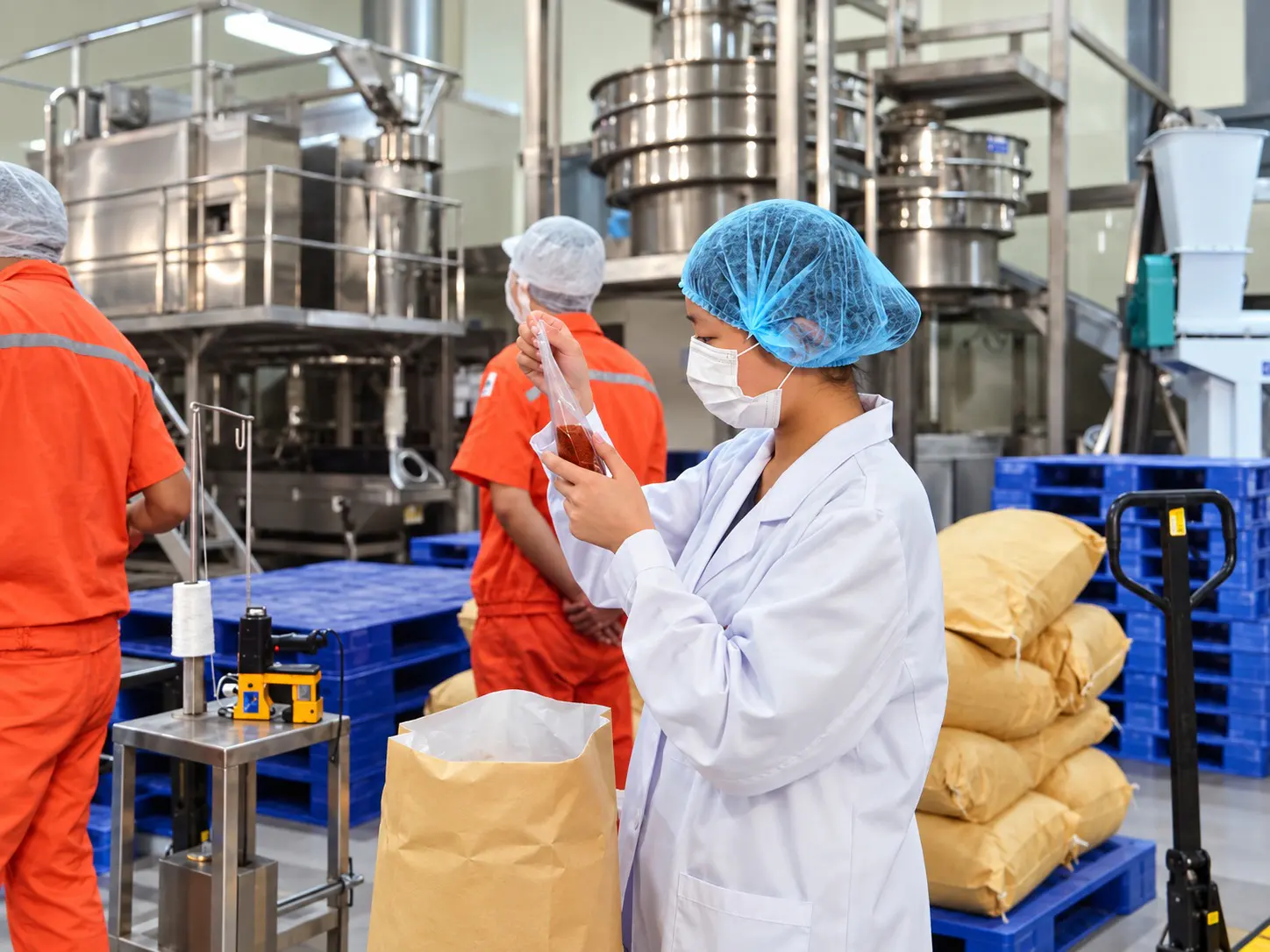
Eight views of how paprika powder is made at our partner plant, a large processing site that already exports to the EU and the United States. Colour, heat, mesh, microbiology and packing are agreed for each order.
Washing
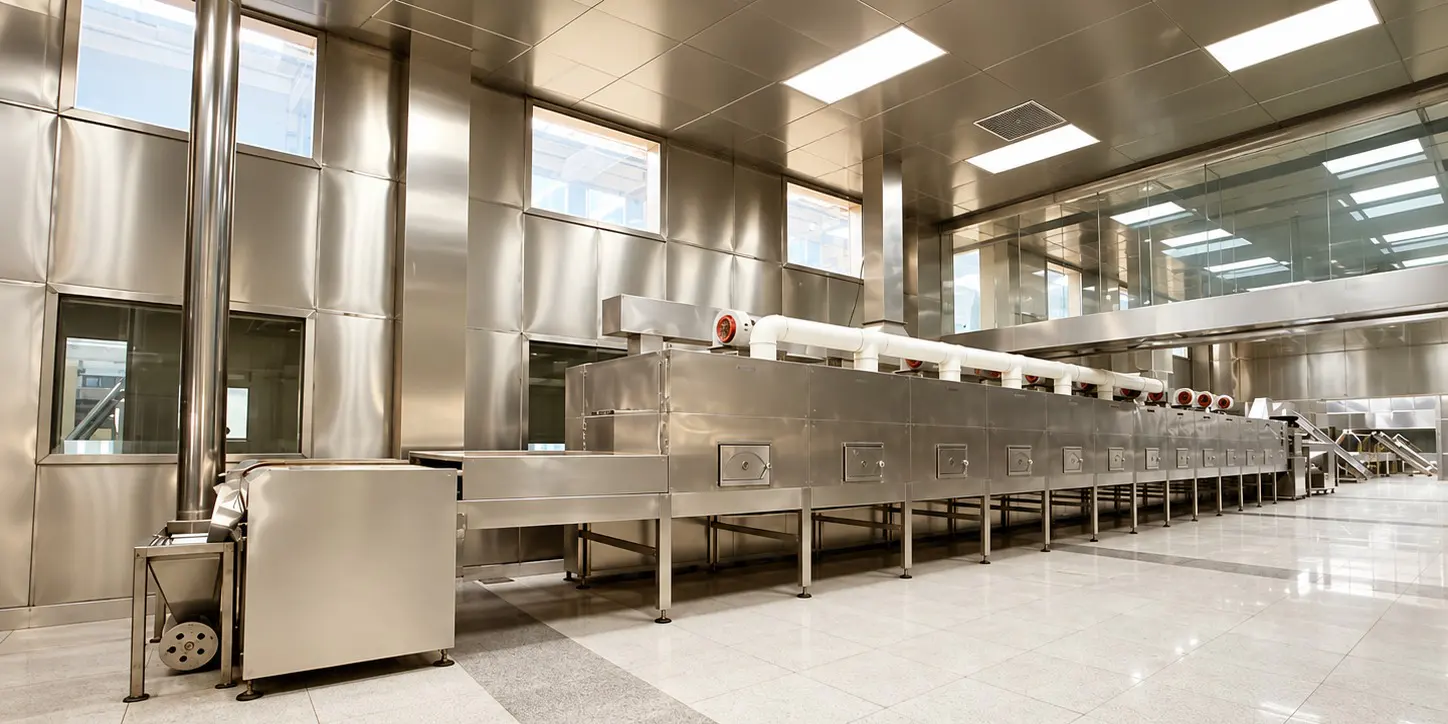
Sterilisation
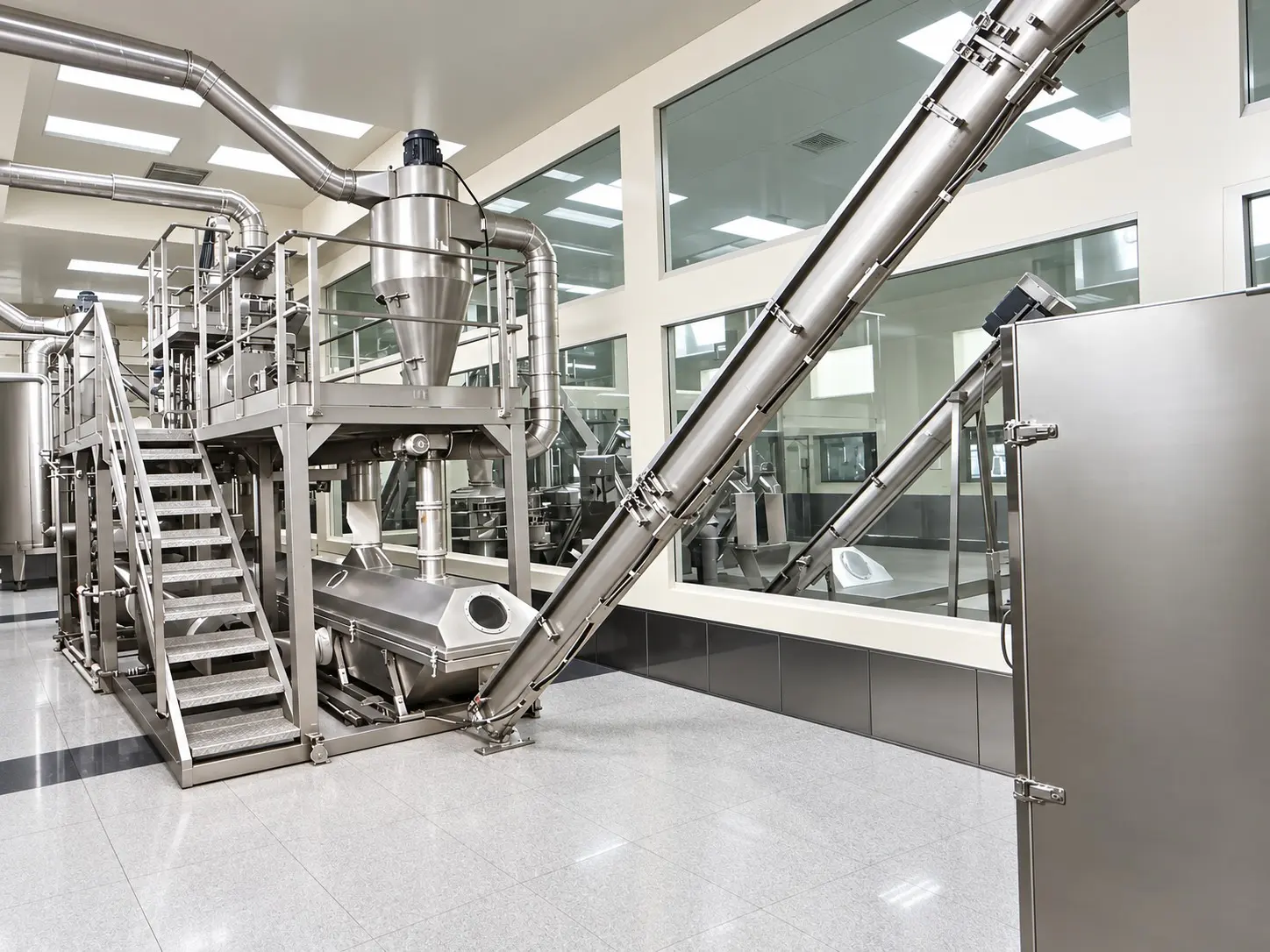
Processing
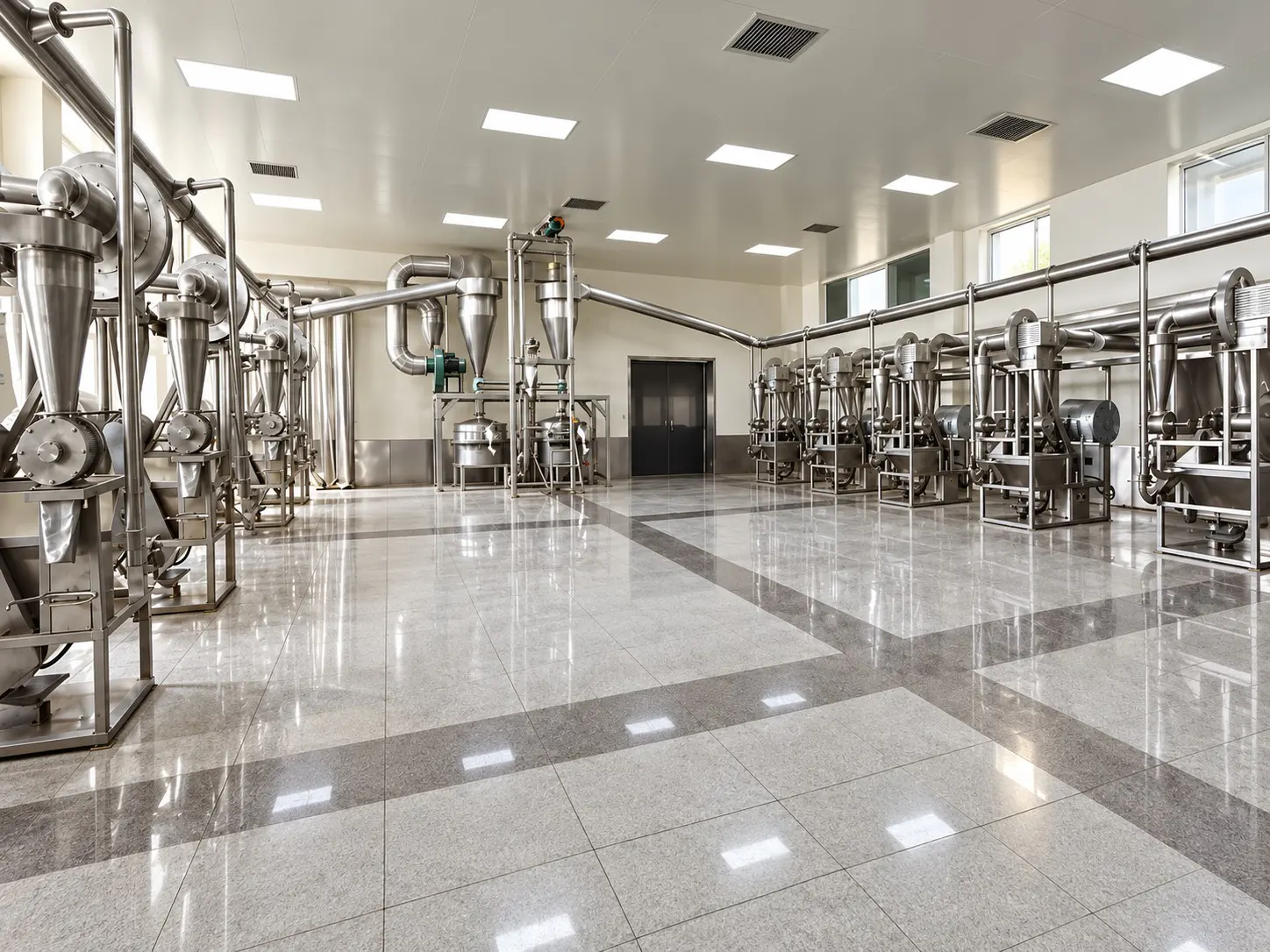
Milling
Quality control
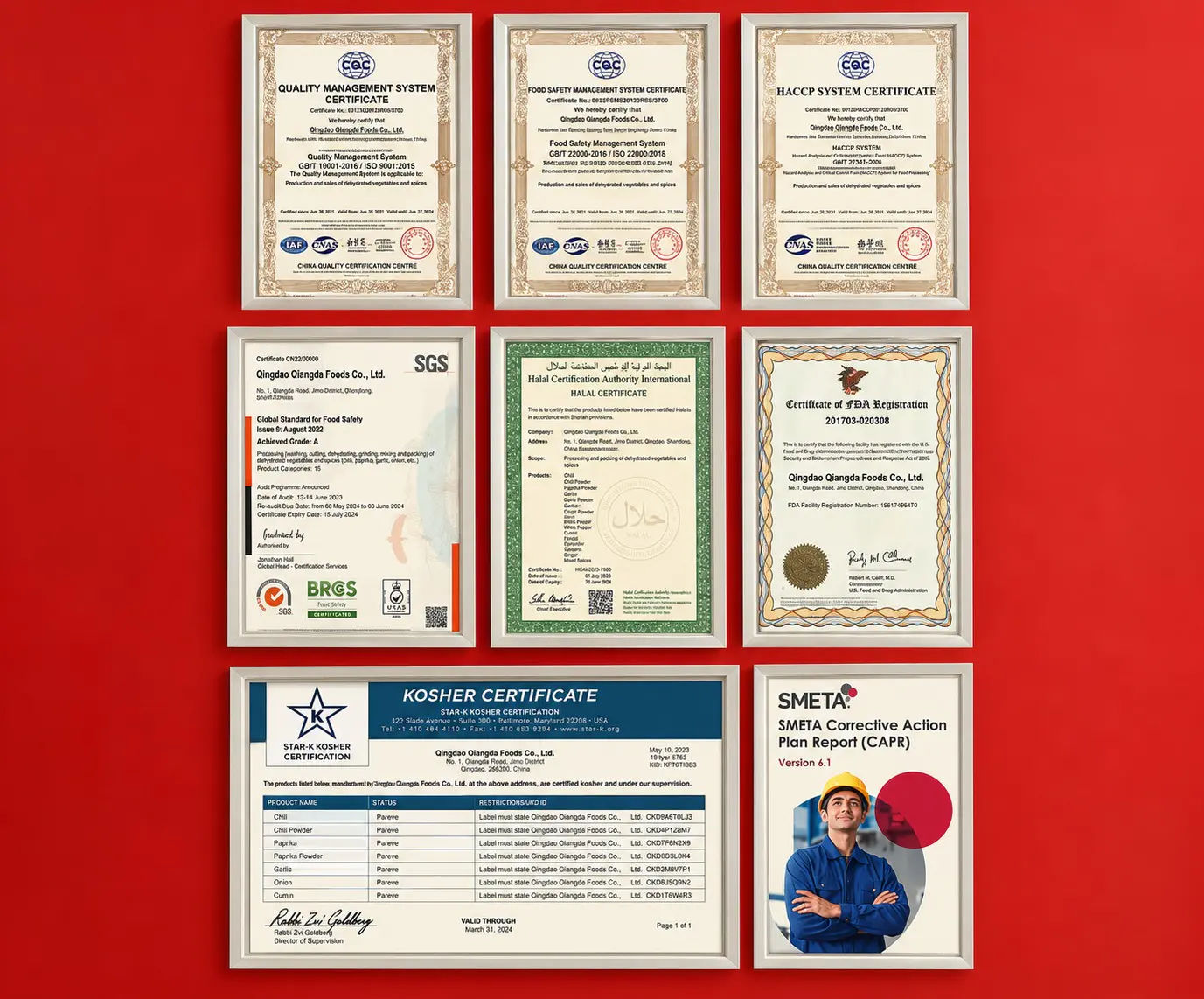
Certification
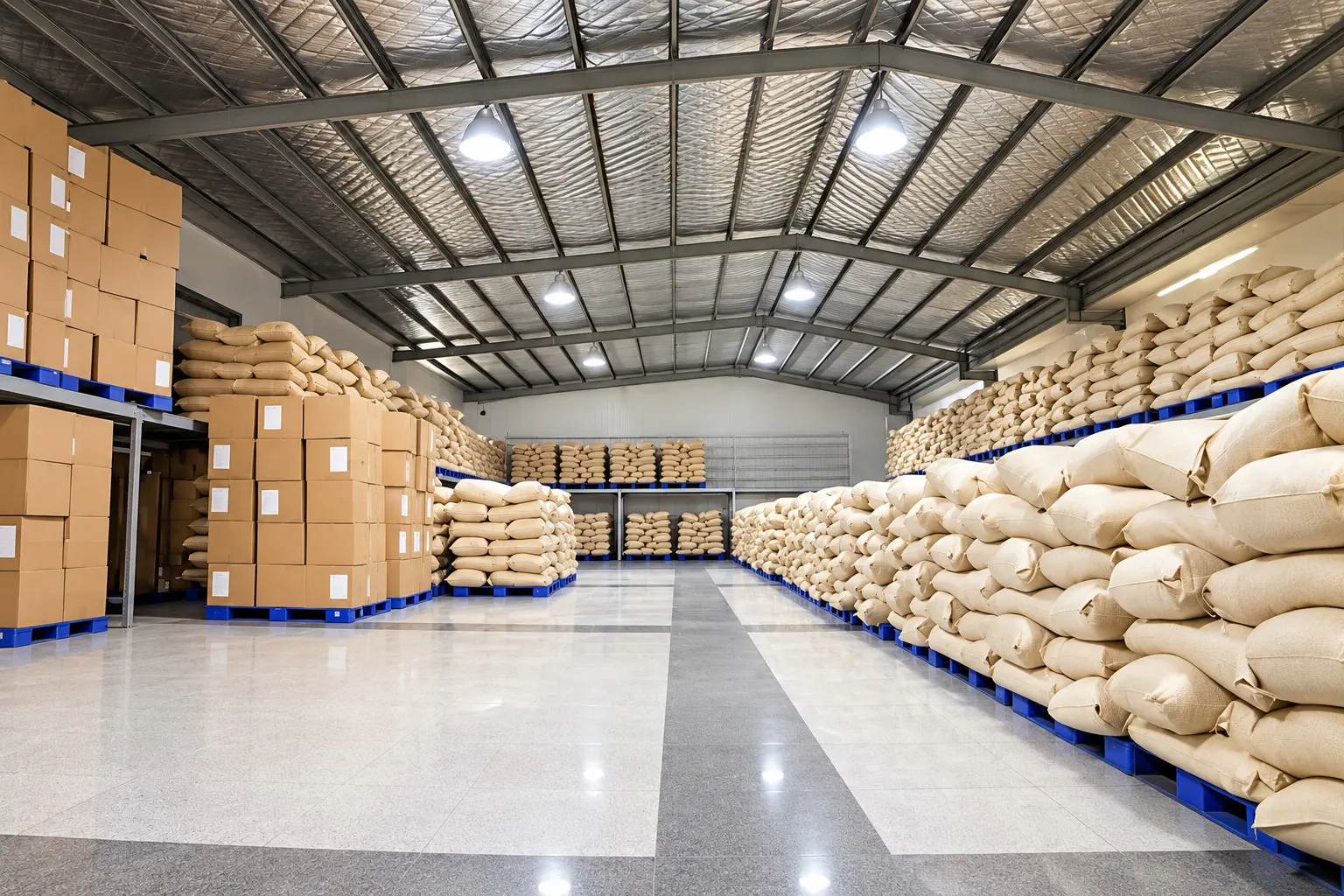
Storage
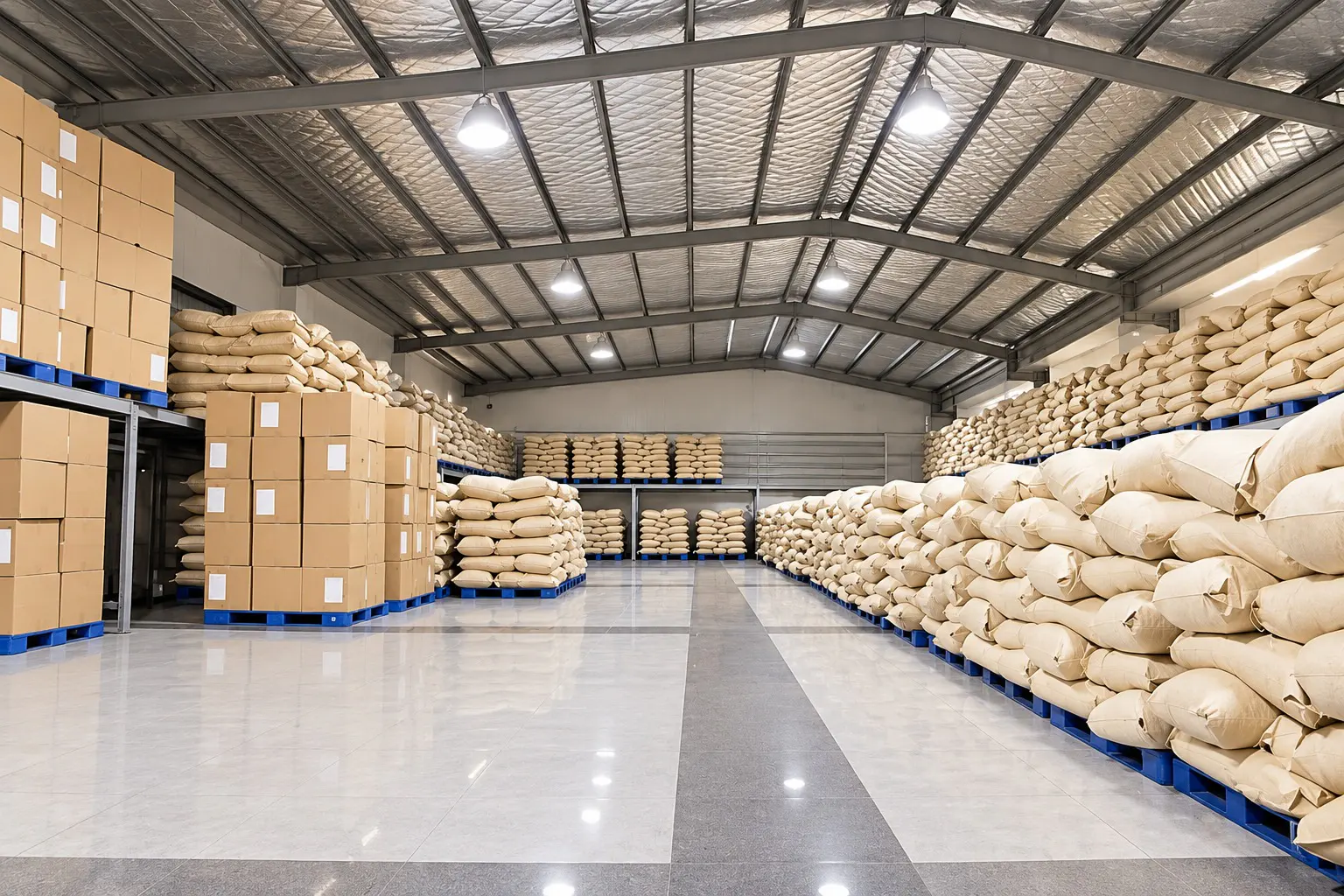
Storage
What comes with your order, linked to the lot you buy.
Every export lot is tested before shipment by our laboratory partners in Shenzhen and Guangzhou; the scope is named in the report.
Source, sample, test reports and shipment documents are linked to the lot in your private order record.
The plant's quality and food-safety certifications, including ISO 9001, ISO 22000, HACCP, BRCGS, Halal and Kosher.
Tell us before order confirmation and we agree its scope, access, timing and costs.
Kun and Chuangui run our Yulin desk. They agree the specification with the partner plant, follow preparation and keep each check linked to your lot.
The agreed sample and written specification define what we check. Our Yulin team then follows the proposed product from current-supply review through preparation and pre-shipment testing.
We agree the product identity, origin, grade, form and measurable specification with you. The approved physical sample provides the reference for appearance, aroma, flavour and other agreed characteristics.
Yulin compares current material, relevant suppliers and processing options against the requirement, including the quality concerns that matter for the product and destination.
We coordinate sourcing, sorting, processing and packing checks with the relevant partners. Agreed photographs or video of the prepared goods support your pre-shipment review.
Every export lot is laboratory tested before shipment through laboratory partners in Shenzhen and Guangzhou. Test scope and limits are agreed for the product and destination, including pesticide-residue requirements where relevant.
Yes. Every export lot is tested before shipment. The tests and acceptance limits are agreed for the product and destination; the scope is identified in the relevant report.
We work with laboratory partners in Shenzhen and Guangzhou. If your purchasing specification requires a particular laboratory, test method or accreditation, tell us before order confirmation so we can check whether we can meet it.
We agree the applicable residue-testing requirements before confirming the order. Please share your destination and purchasing specification so we can confirm the test scope and limits. A sample's appearance or a photograph cannot establish pesticide-residue levels.
START WITH THE REQUIREMENT